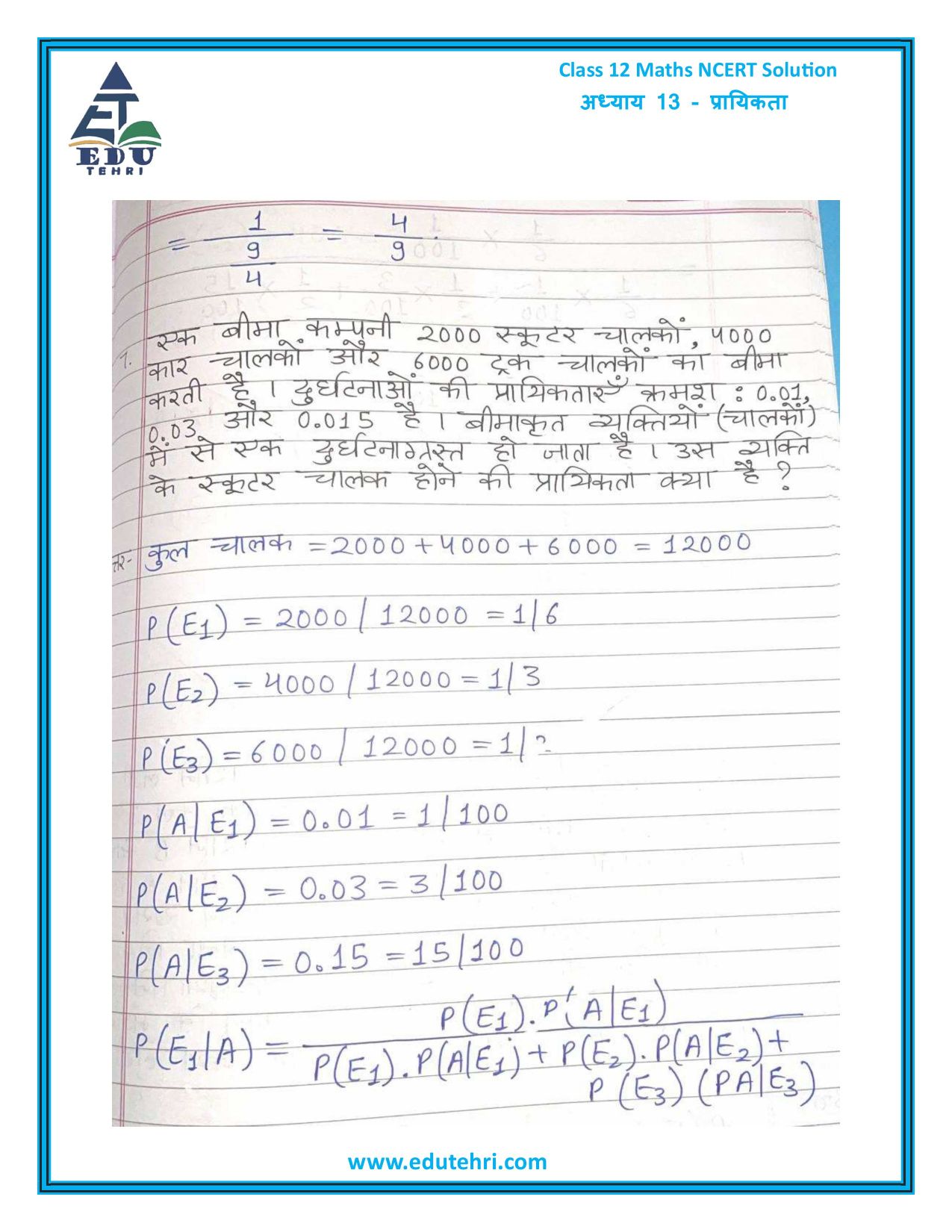
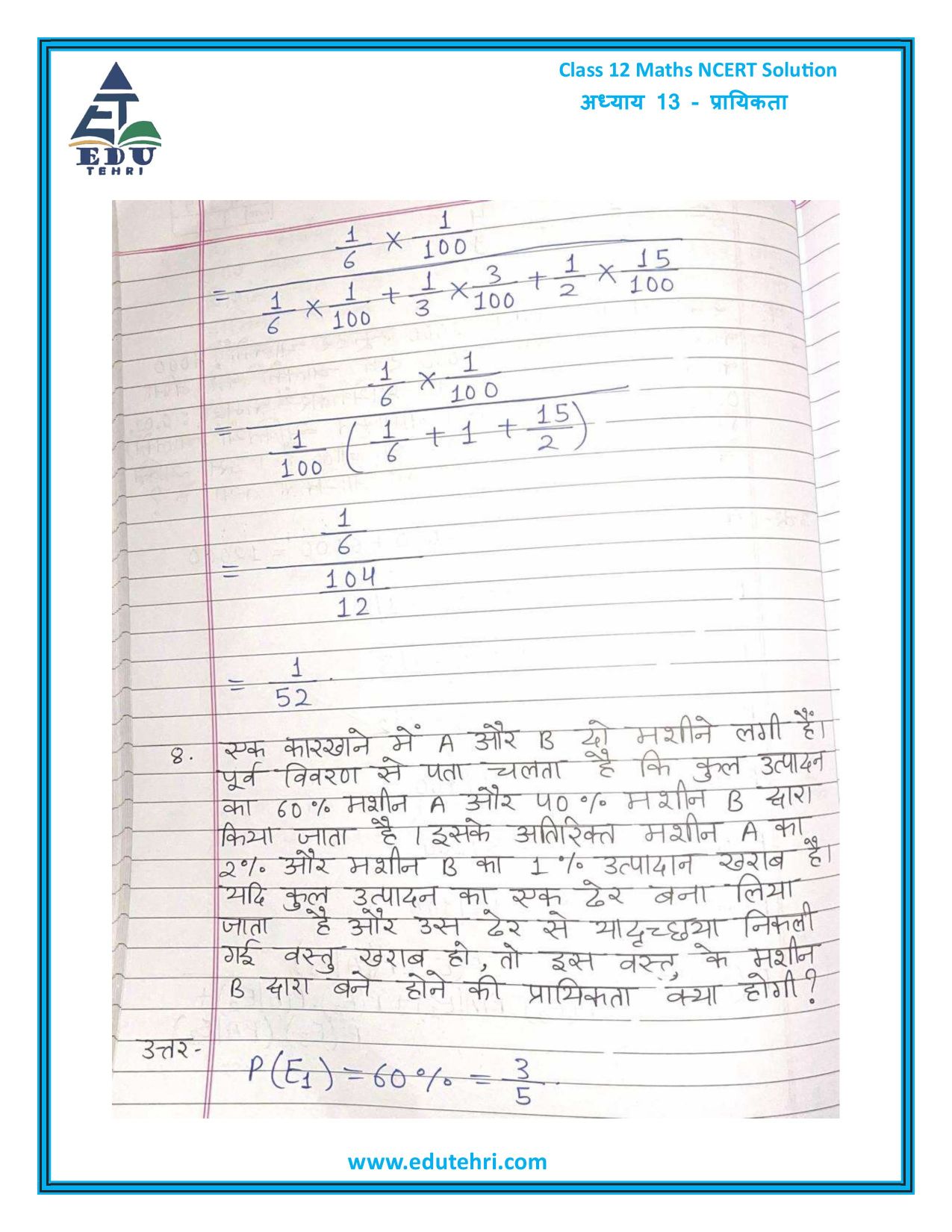
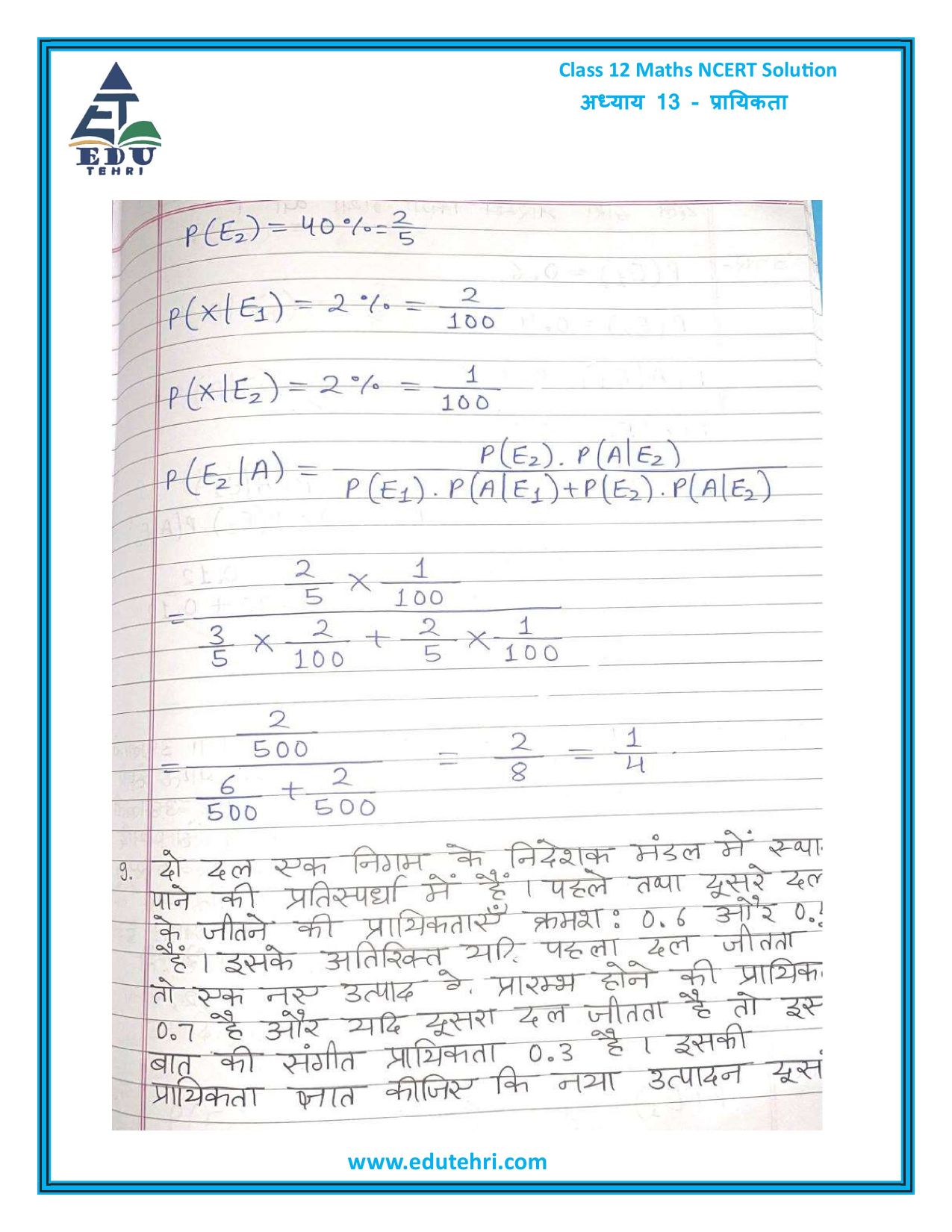
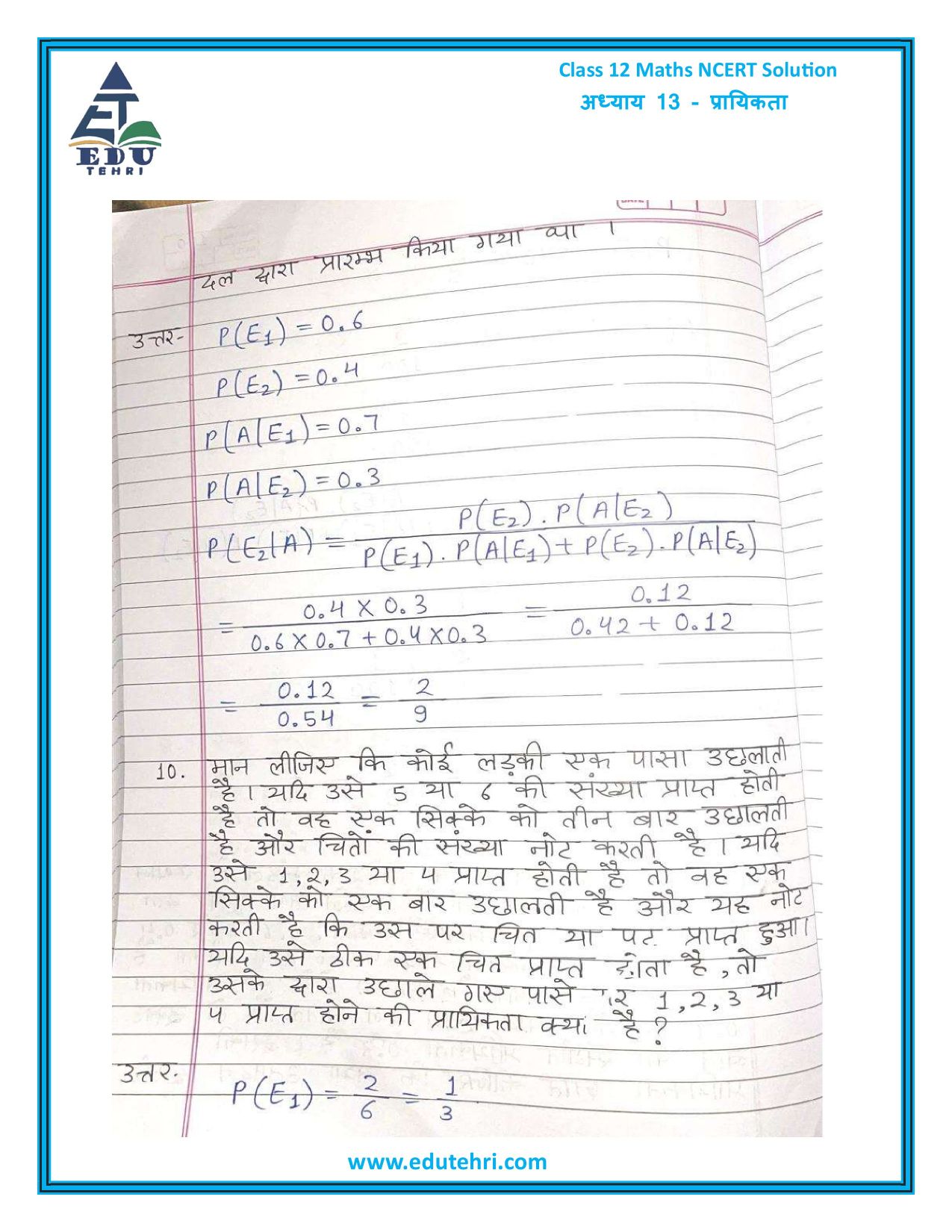
Types of Events
1. Certain Event: P(E) = 1
2. Impossible Event: P(E) = 0
3. Simple Event: Contains only one outcome
4. Compound Event: Contains more than one outcome
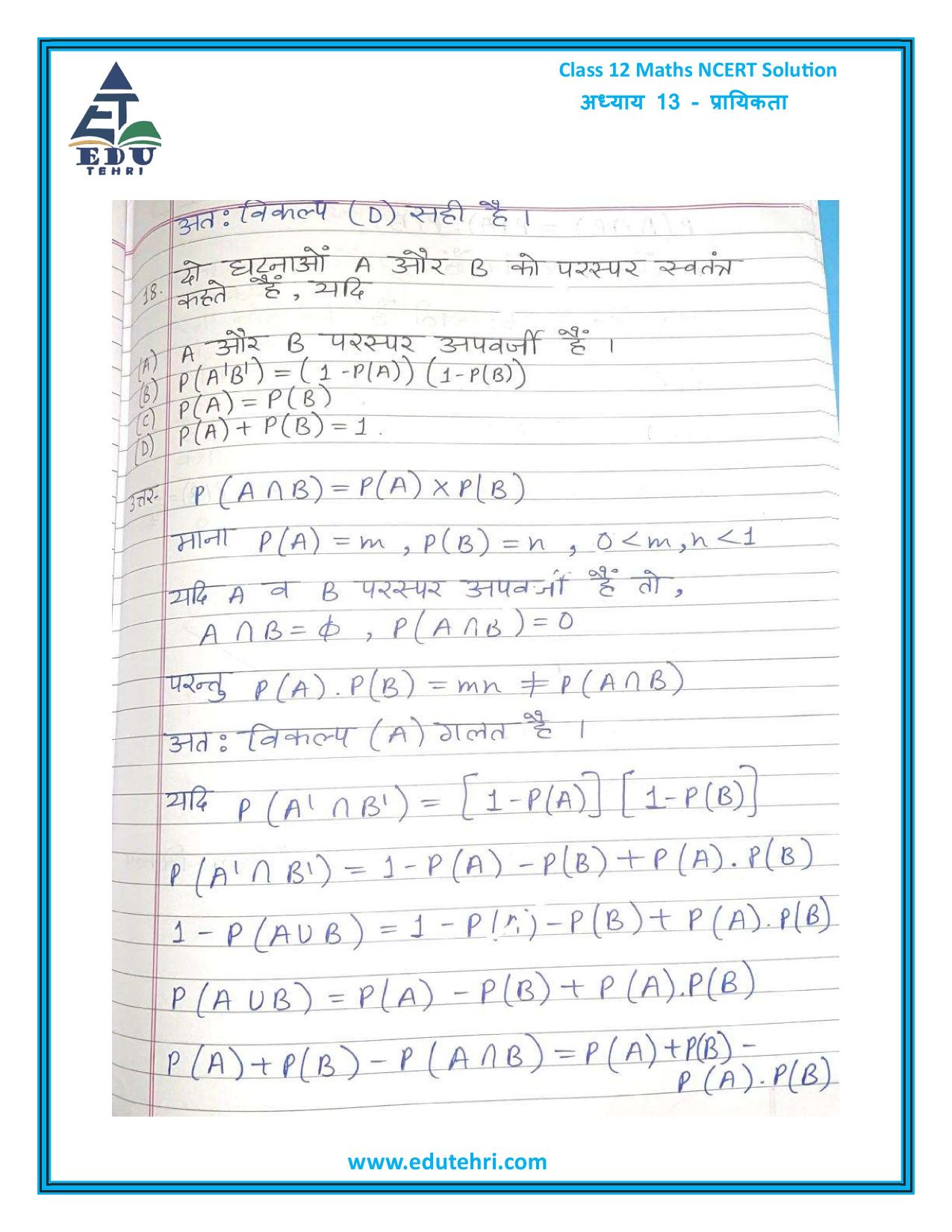
5. Mutually Exclusive Events: Cannot occur together
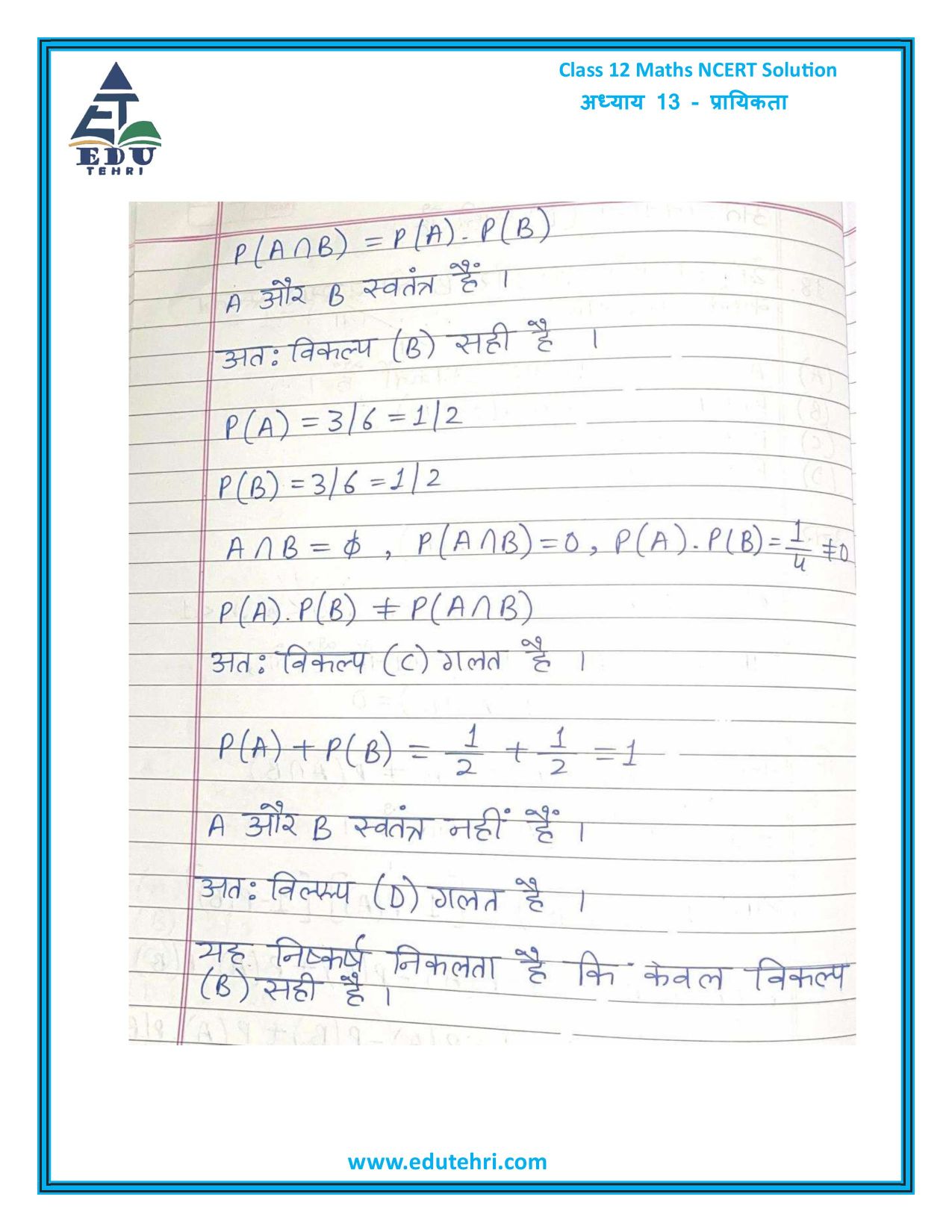
6. Independent Events: Occurrence of one does not affect the other
Conditional Probability
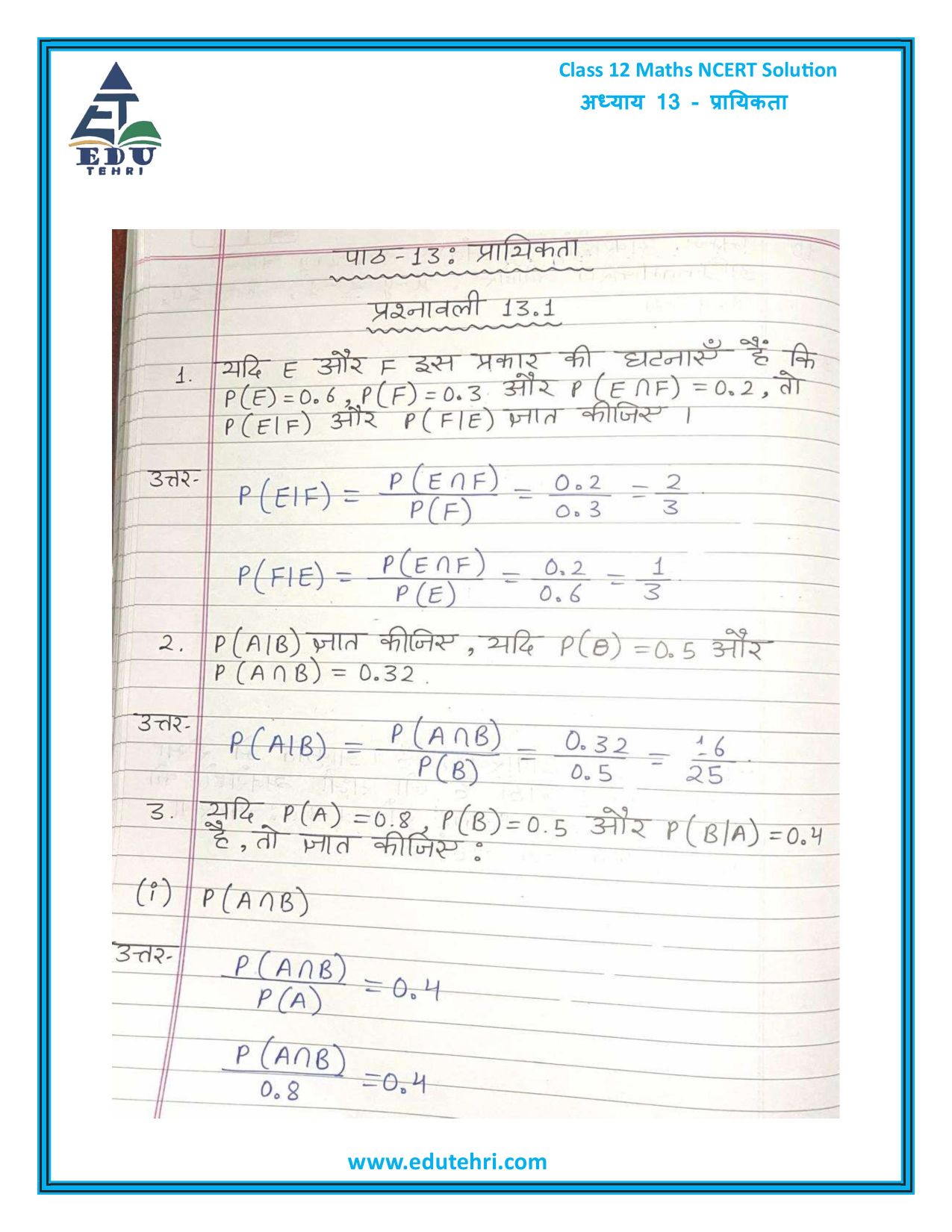
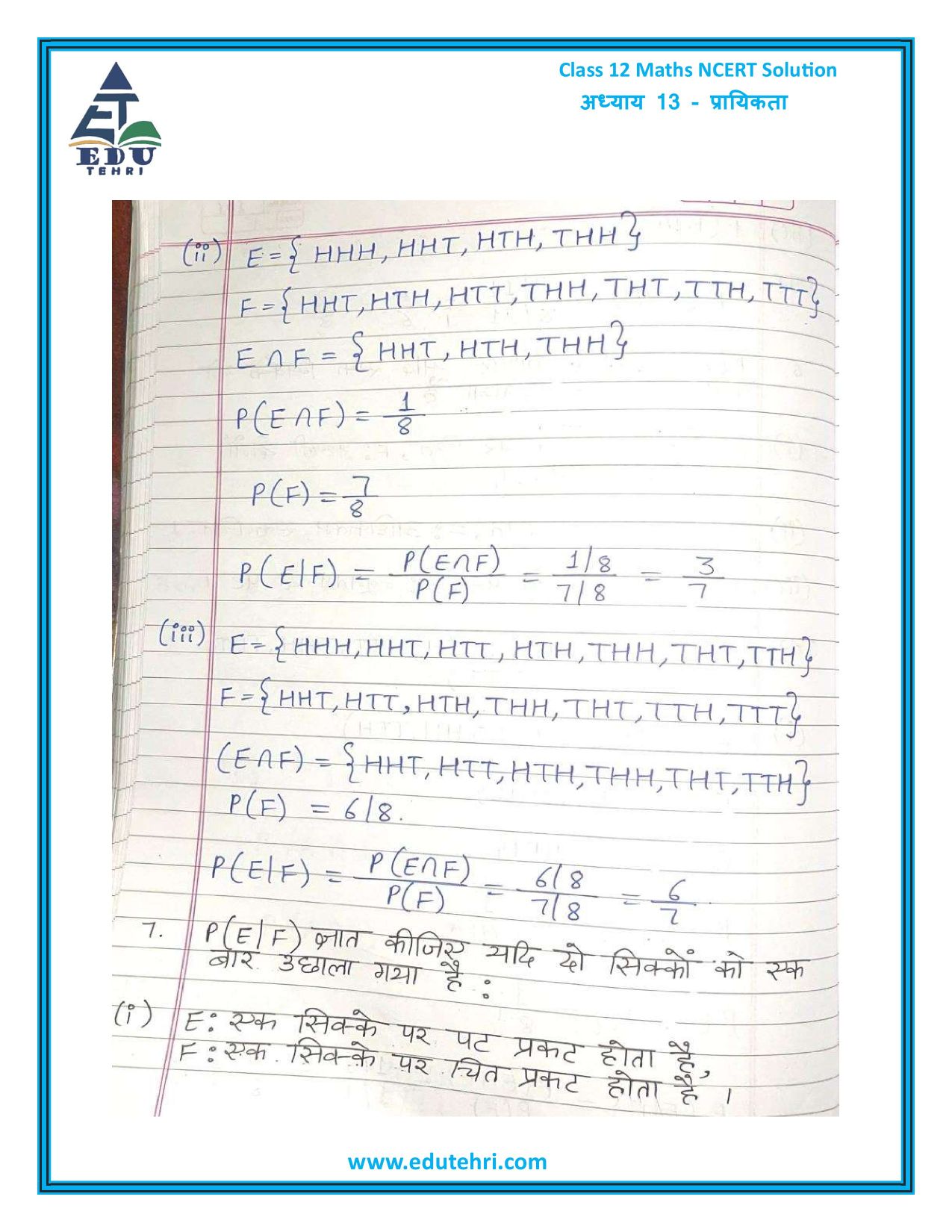
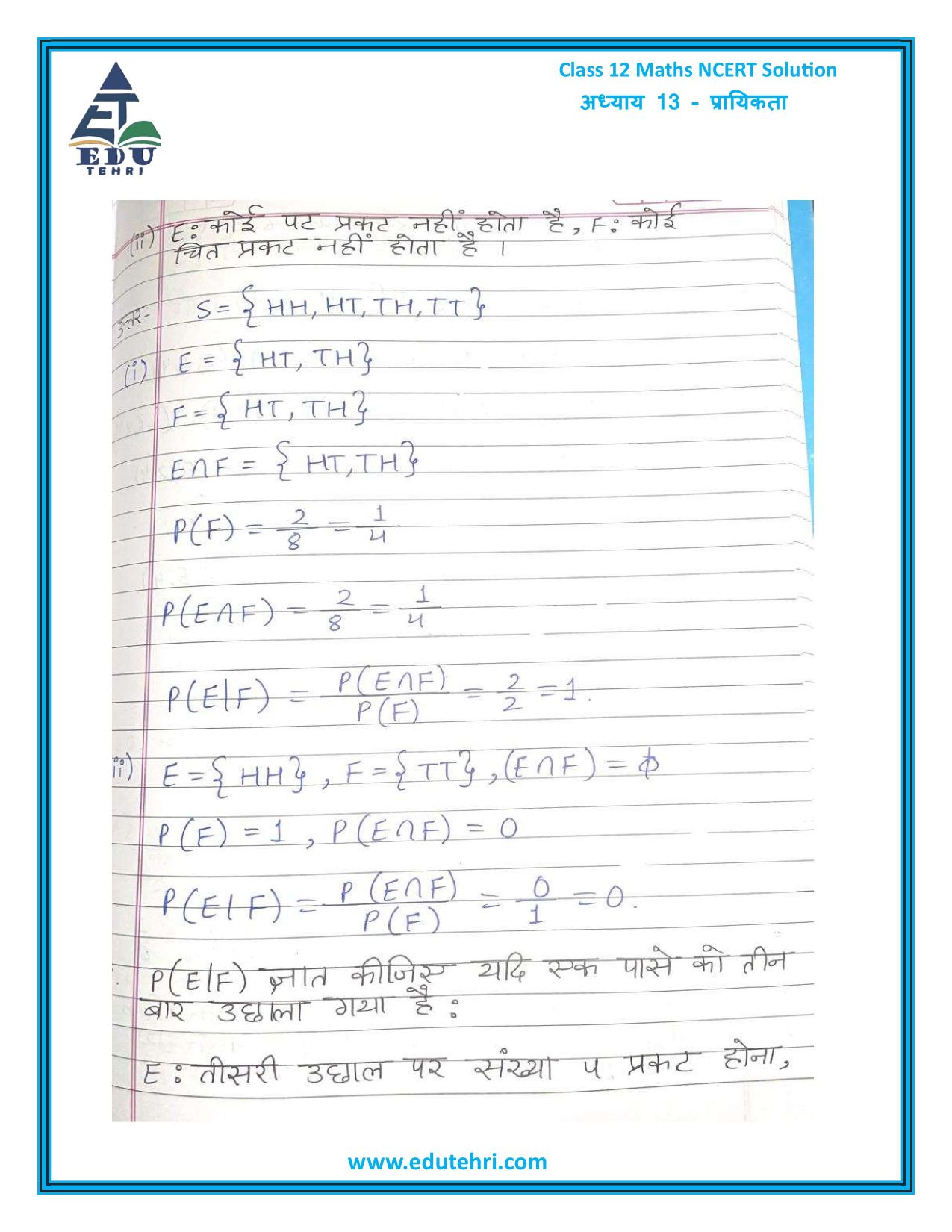
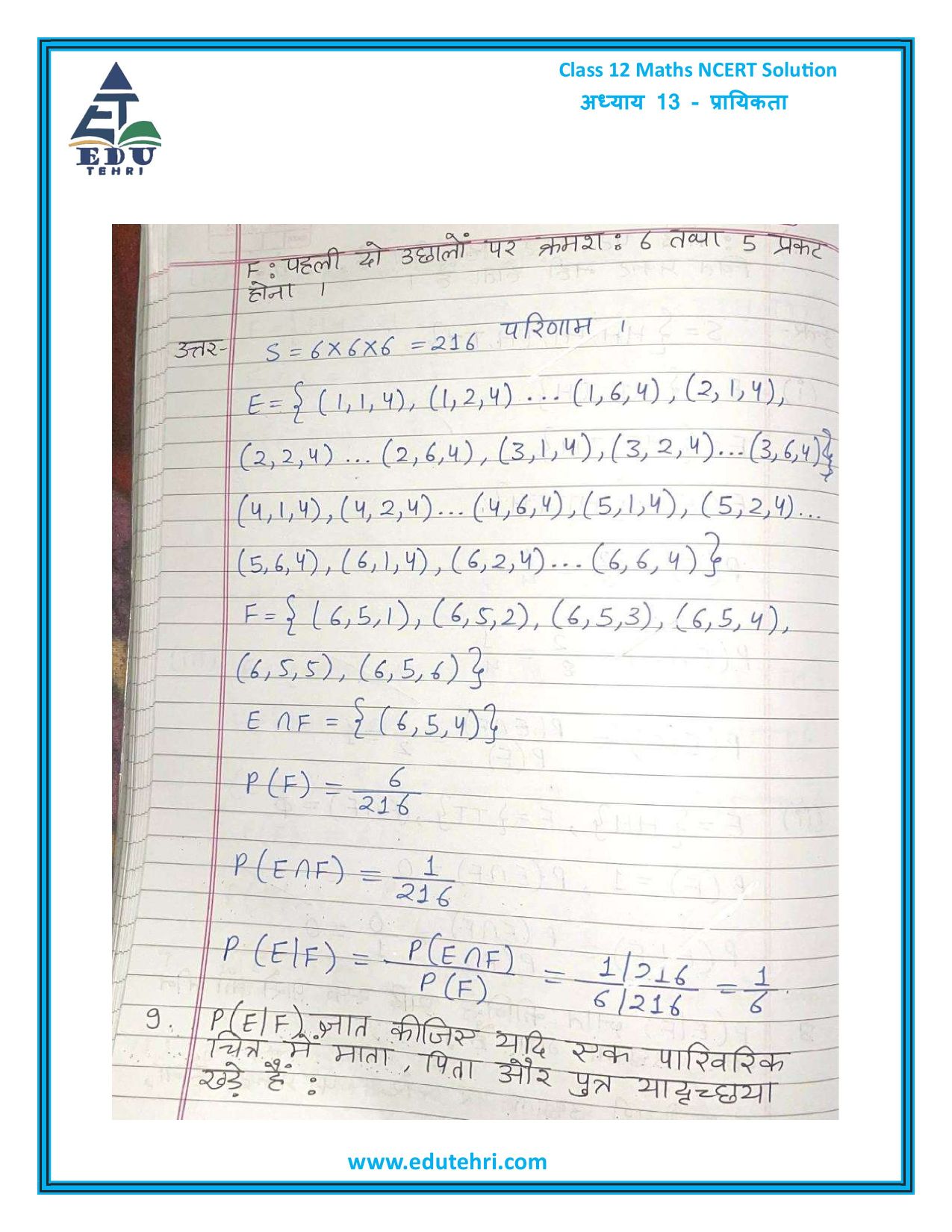
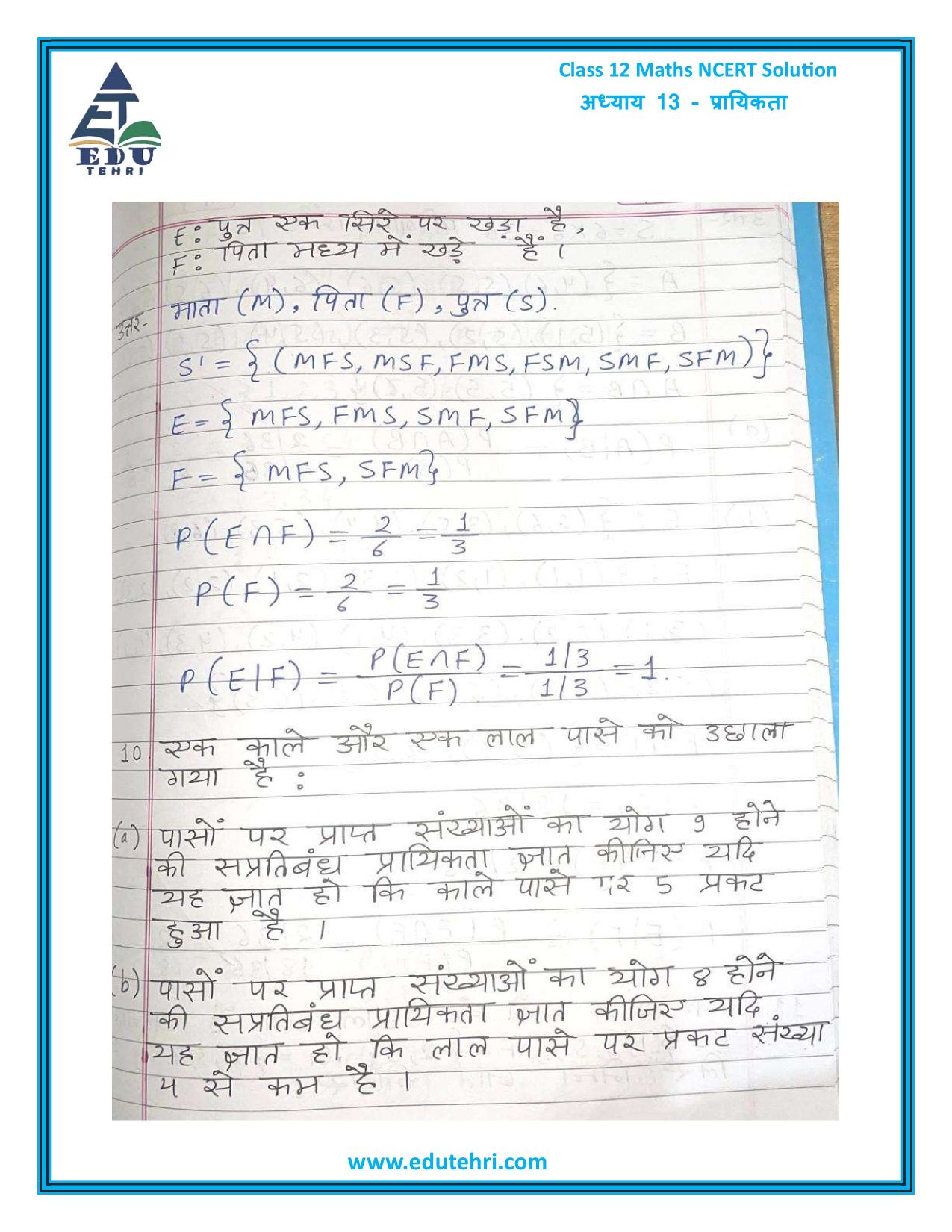
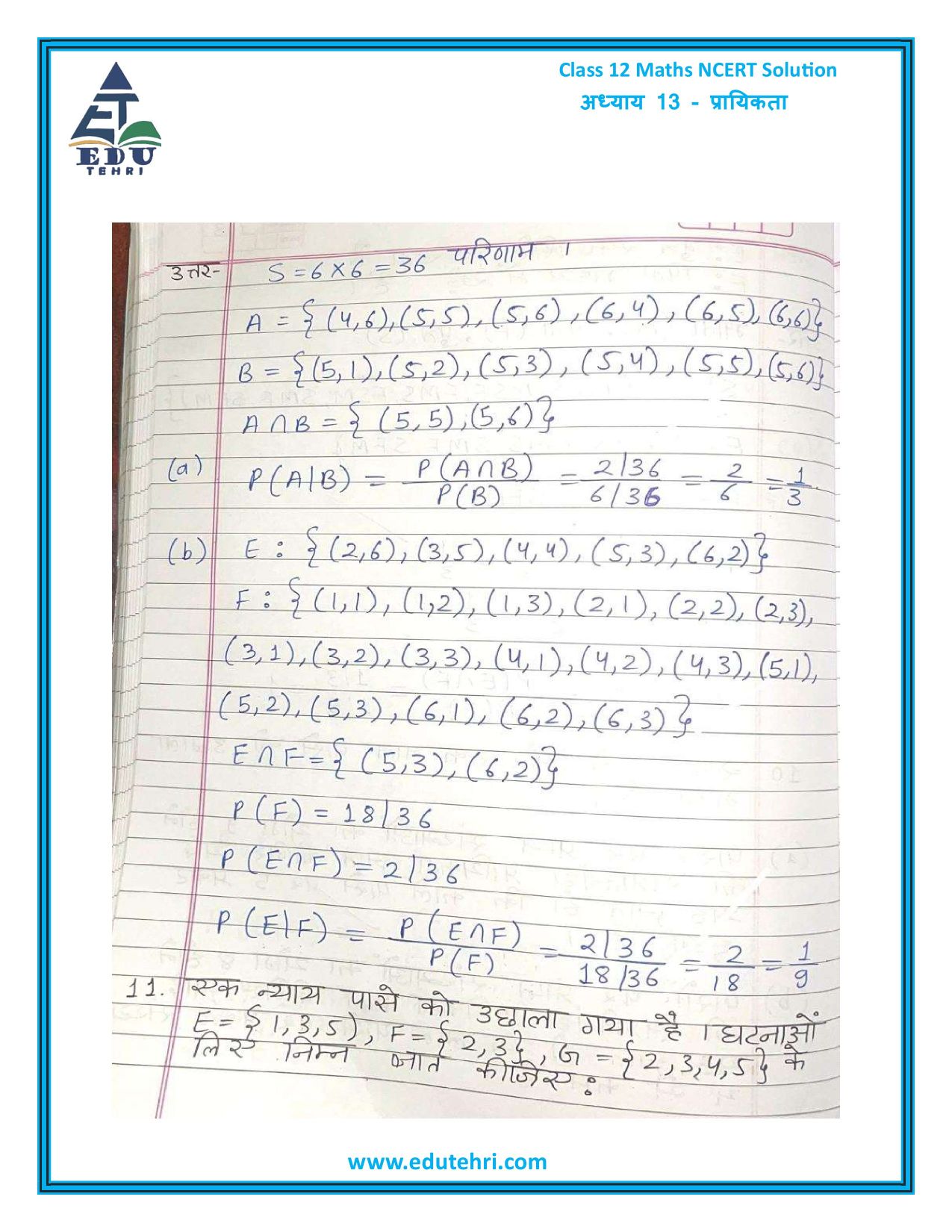
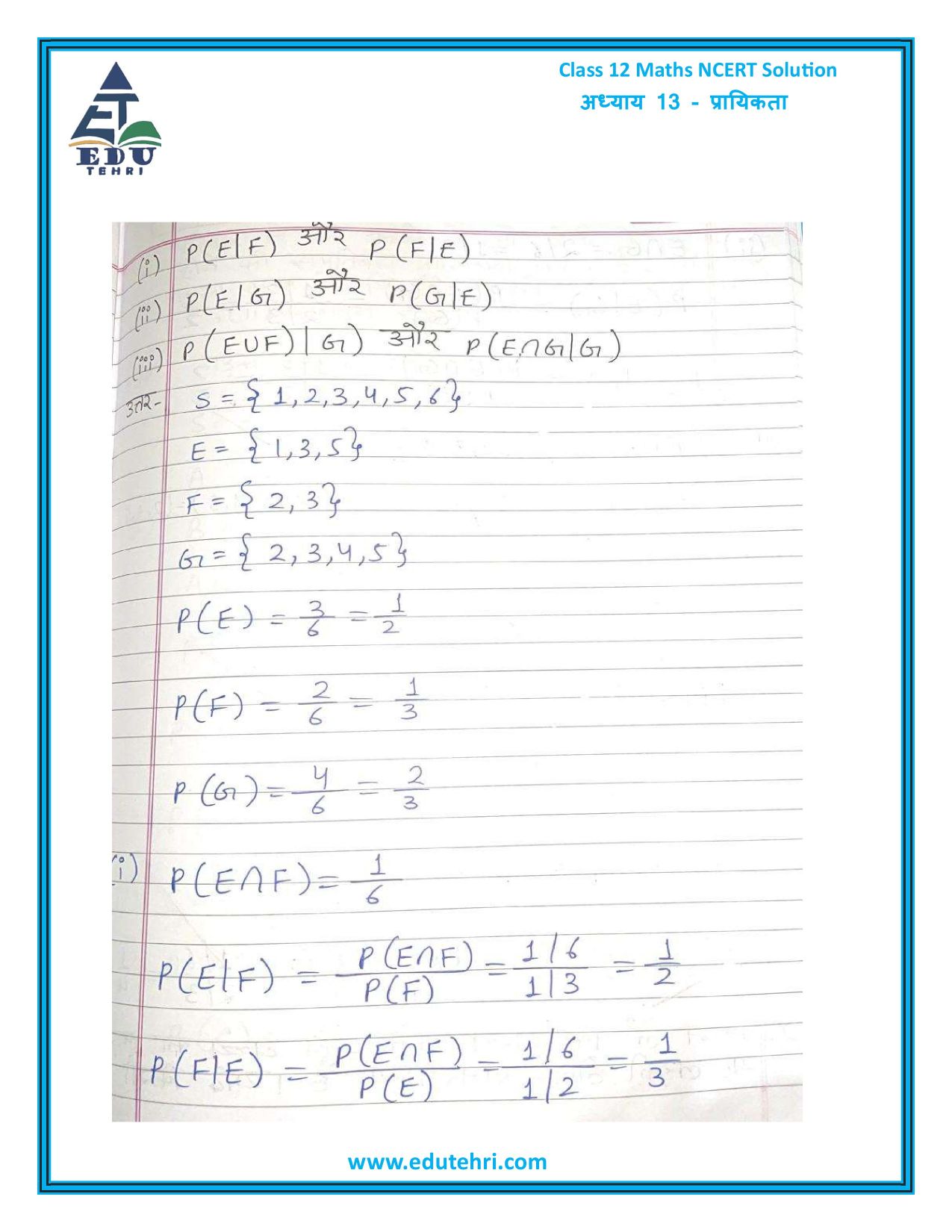
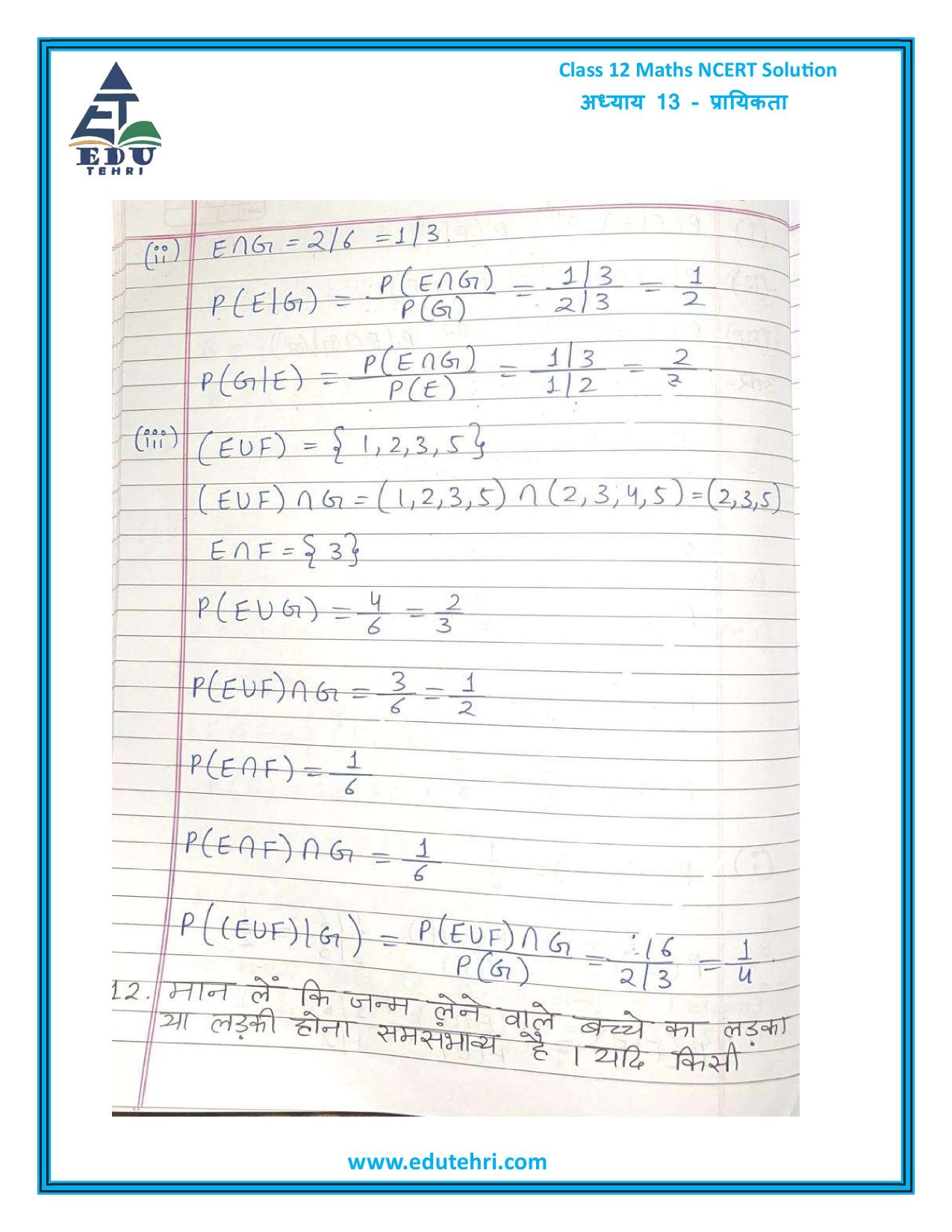
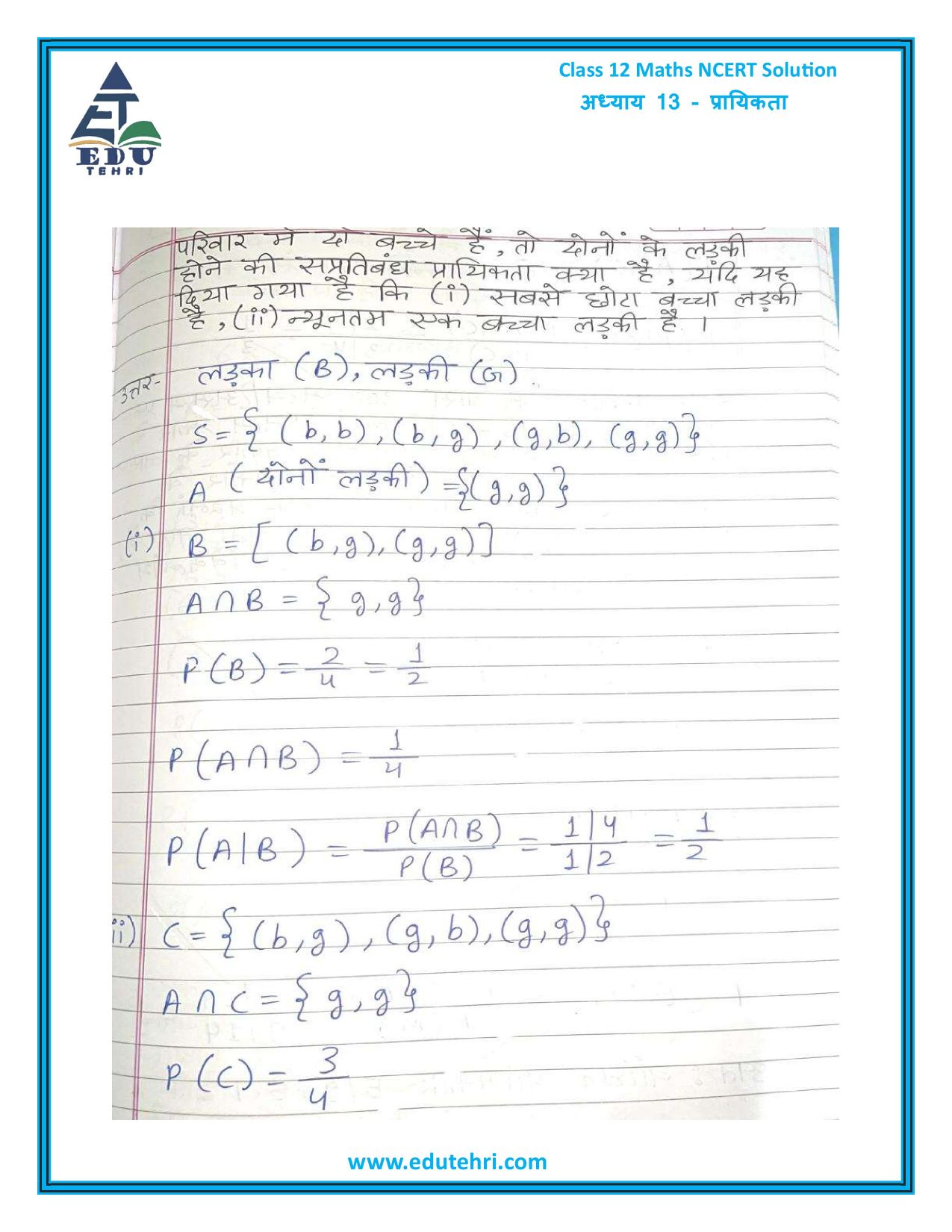
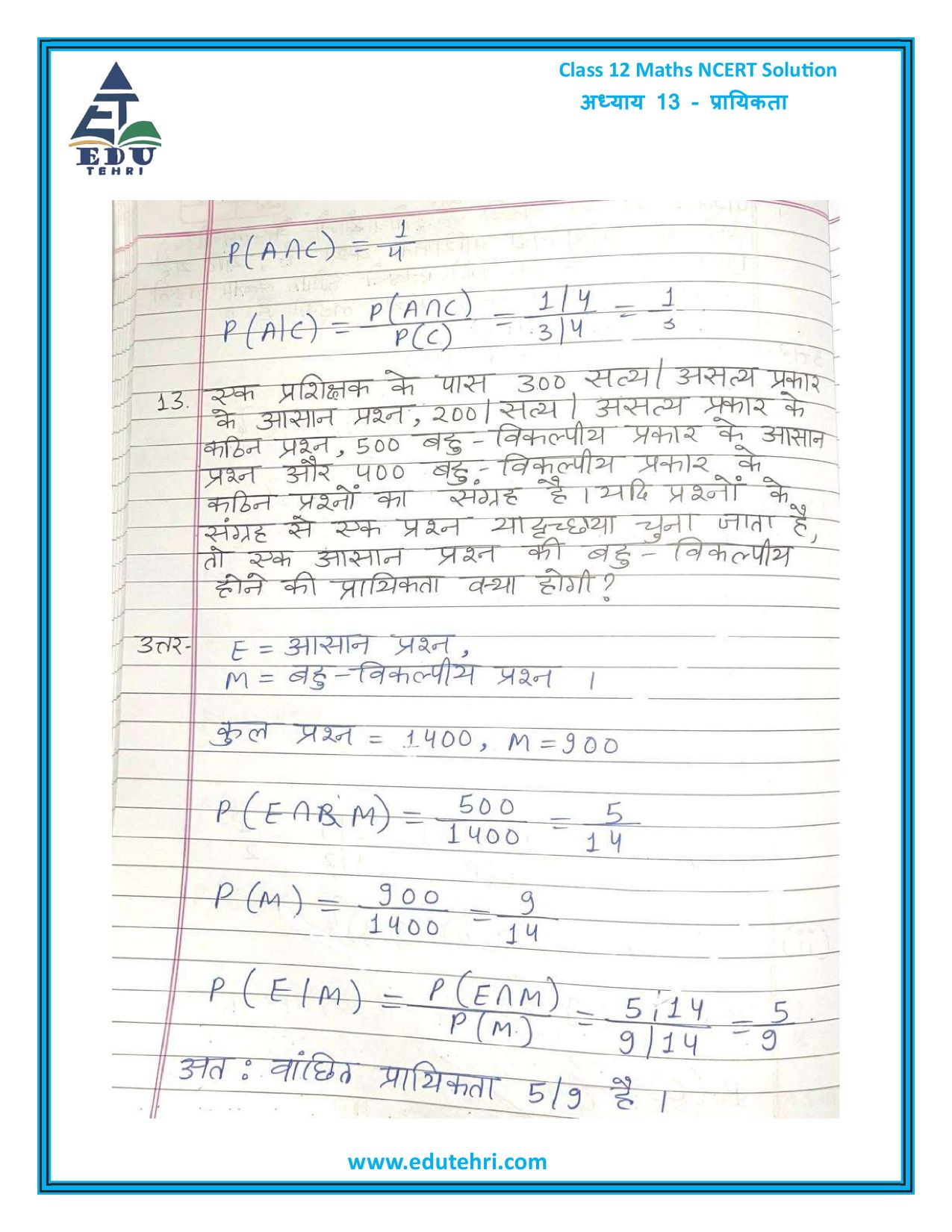
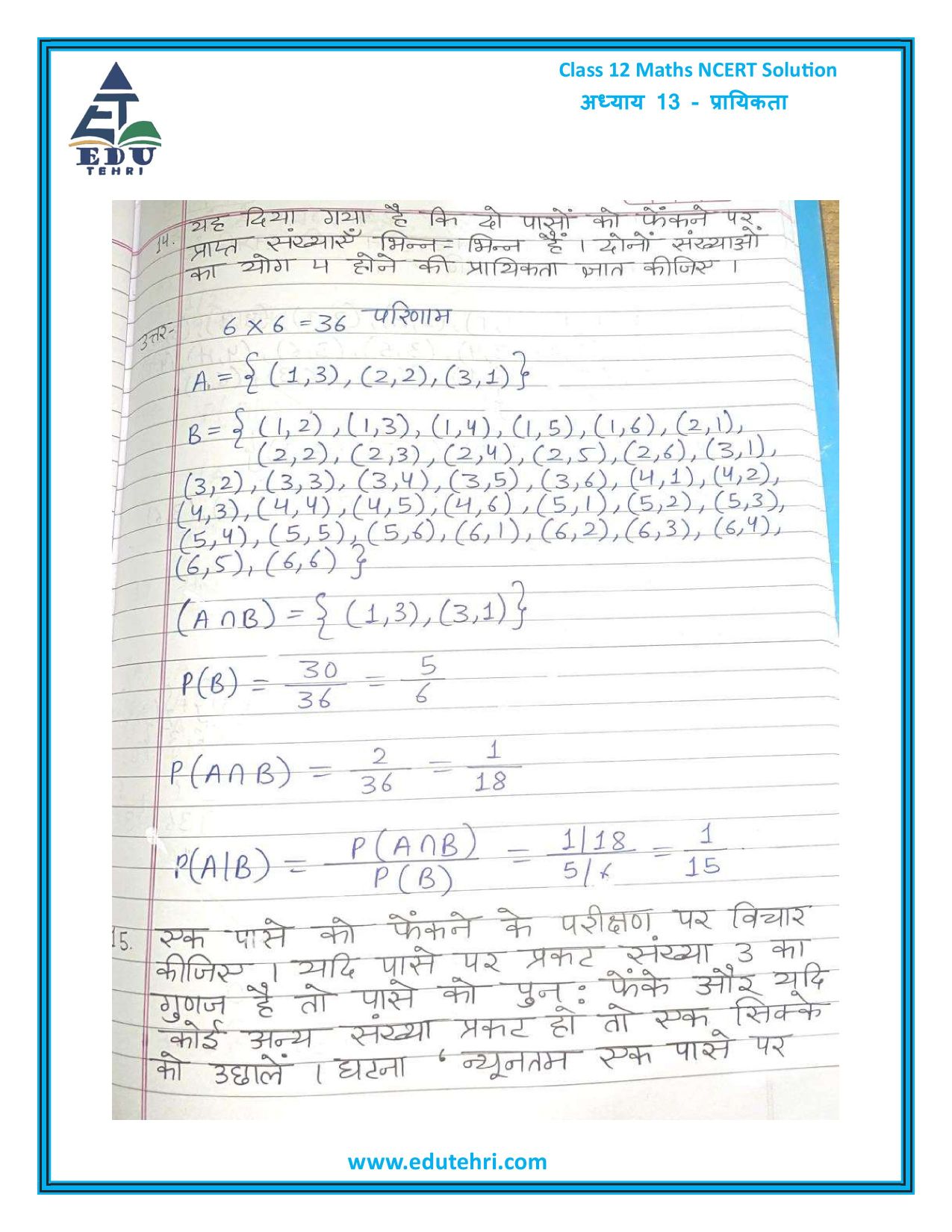
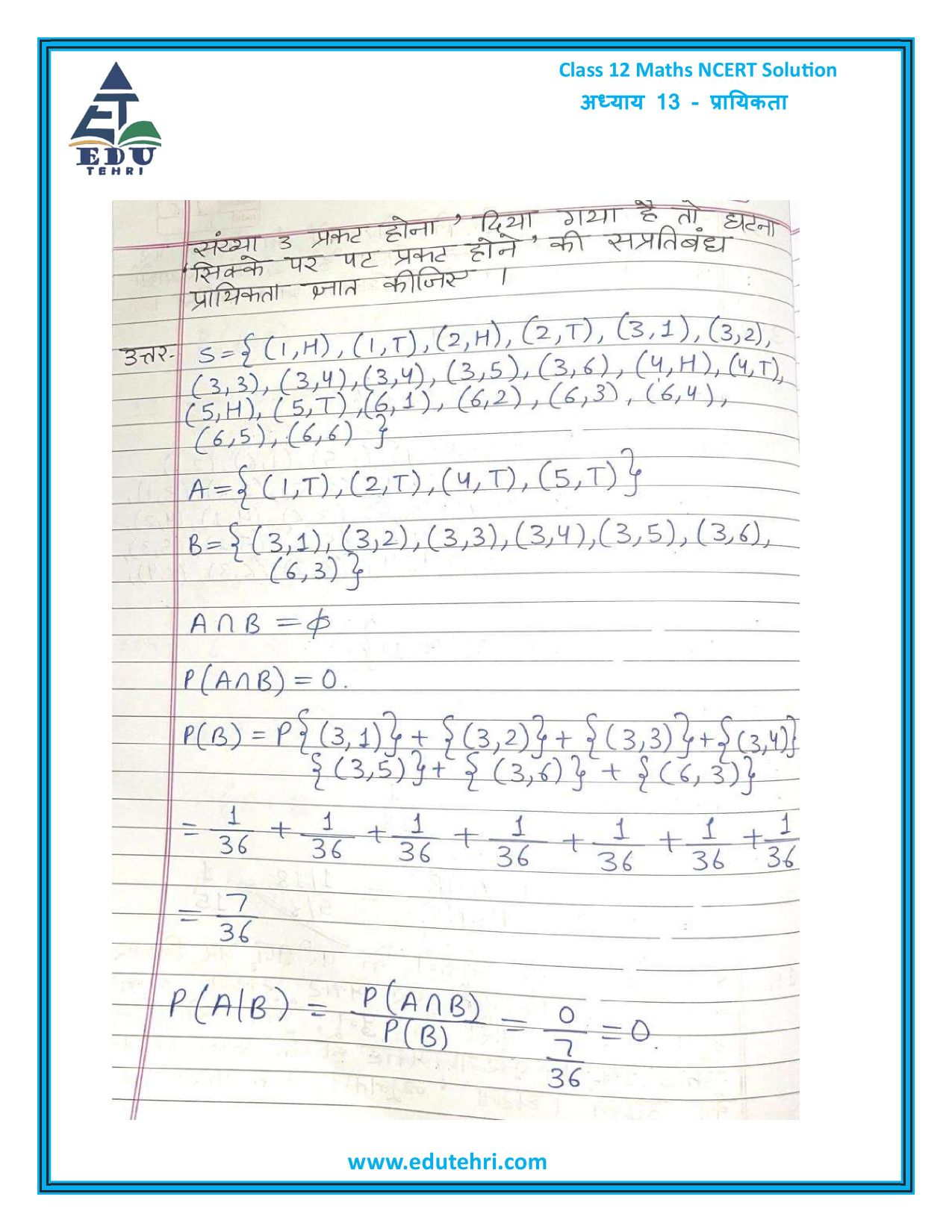
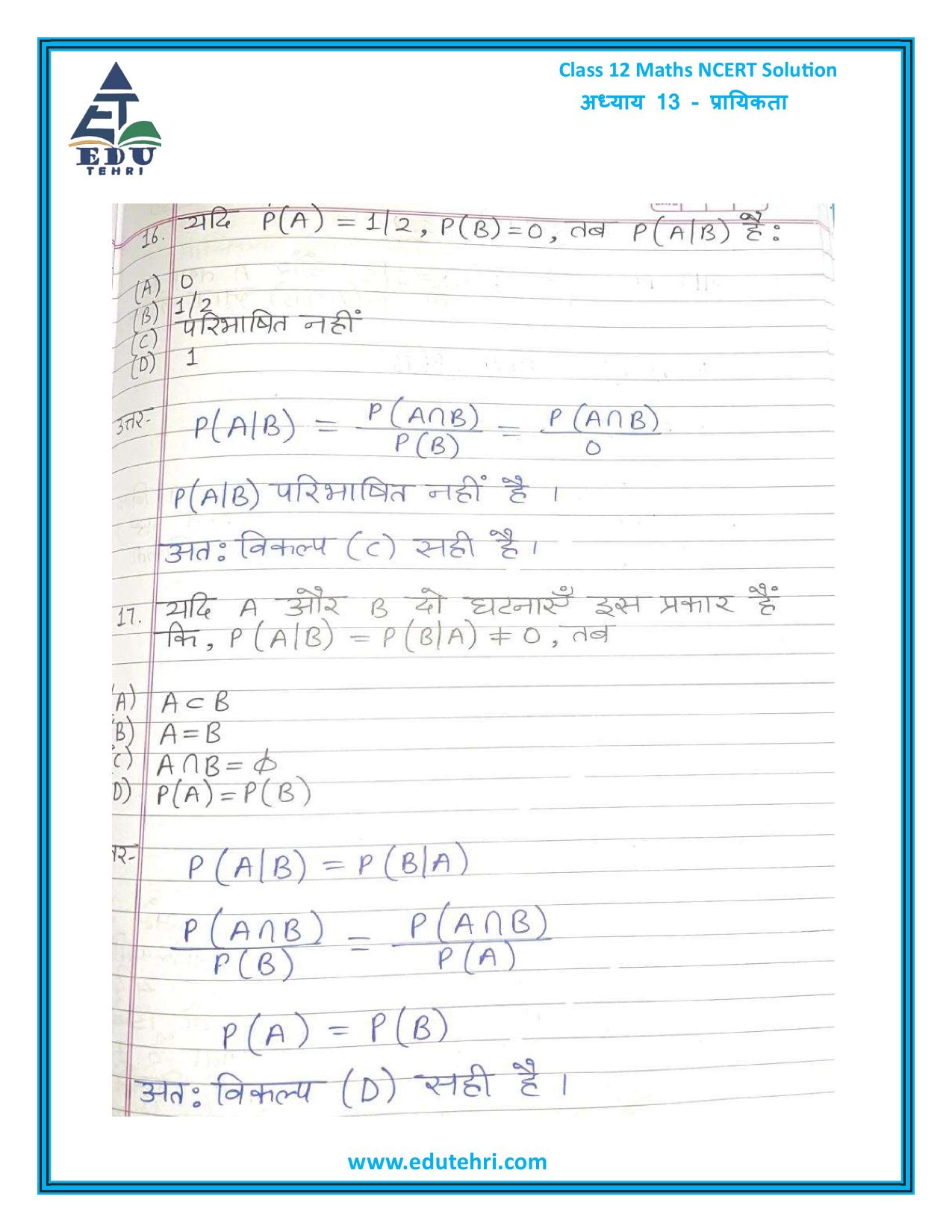
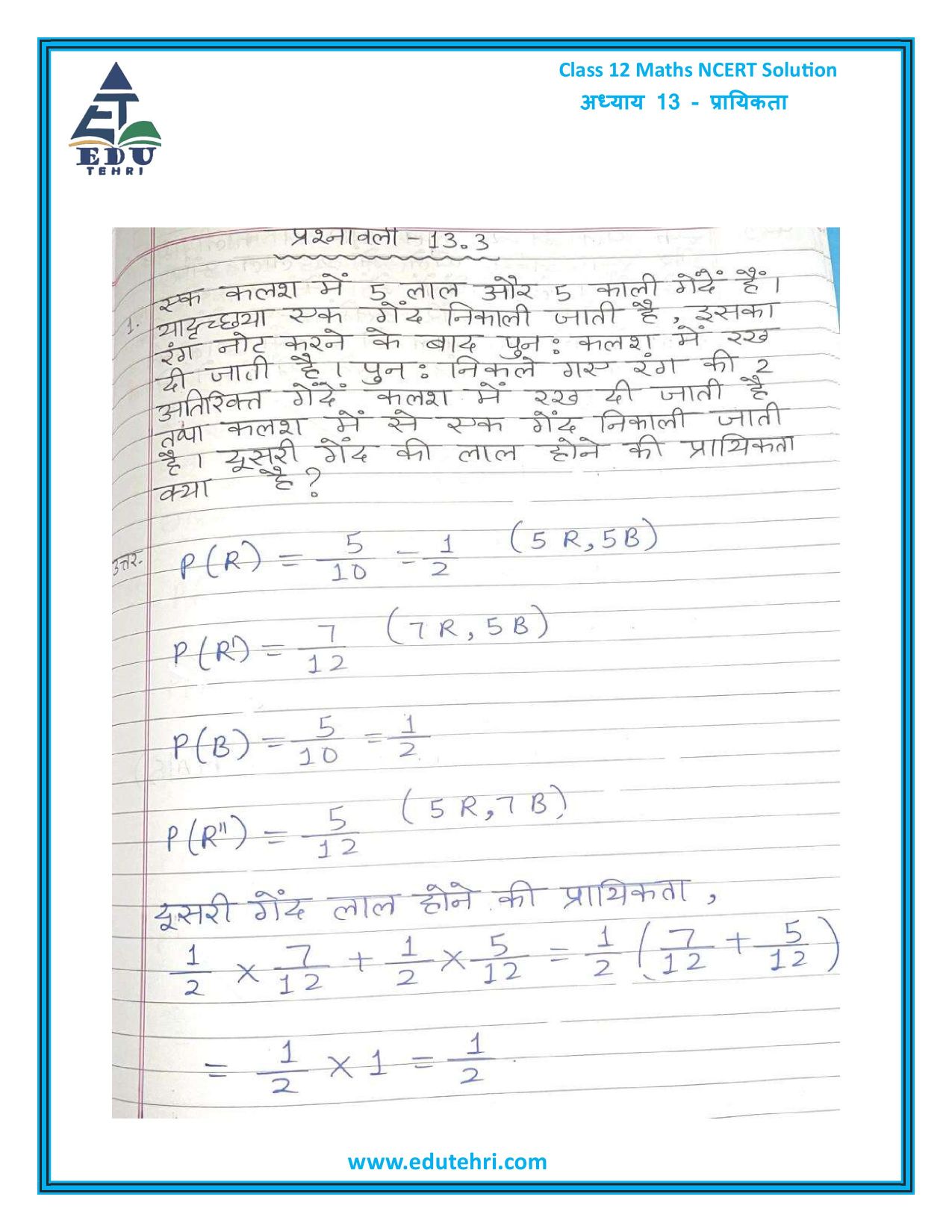
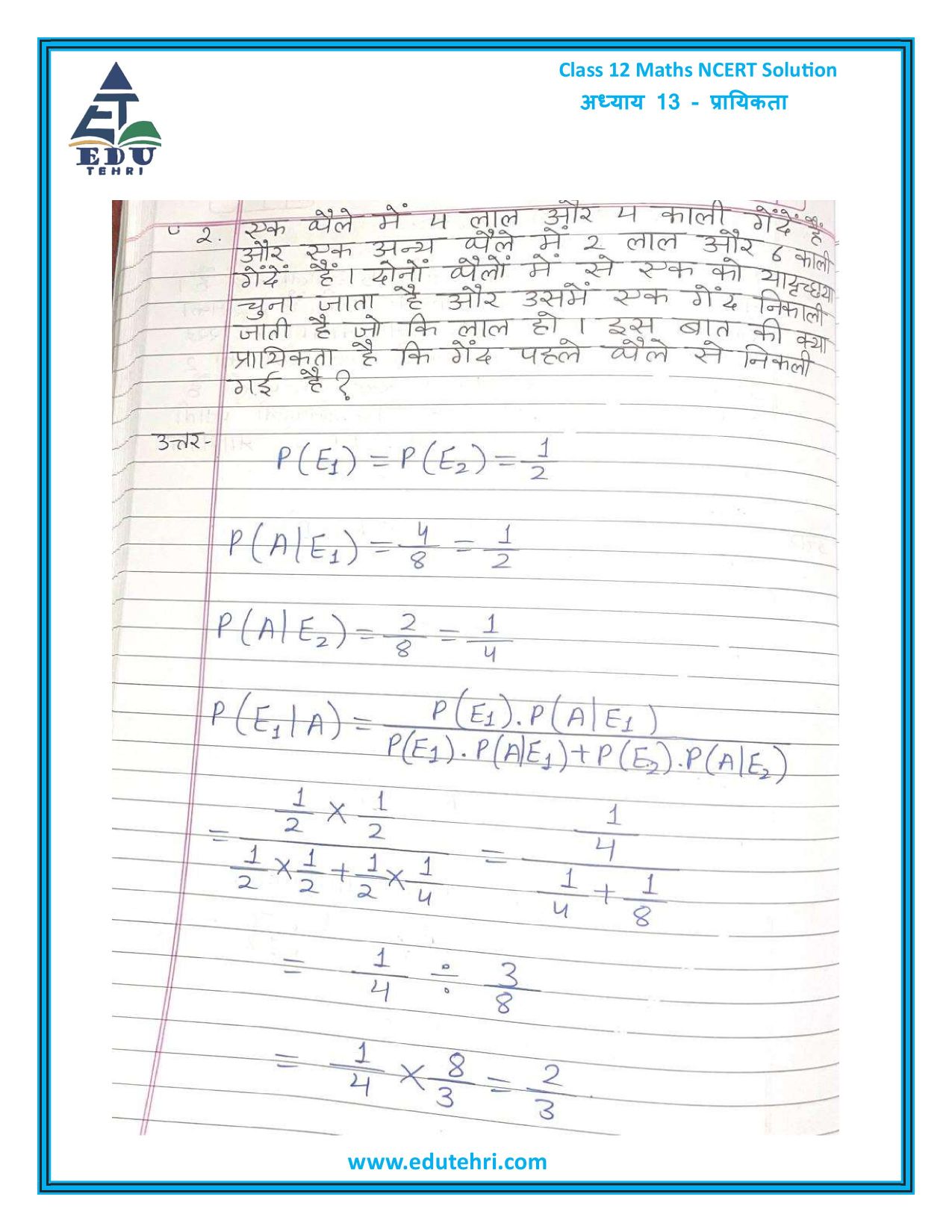
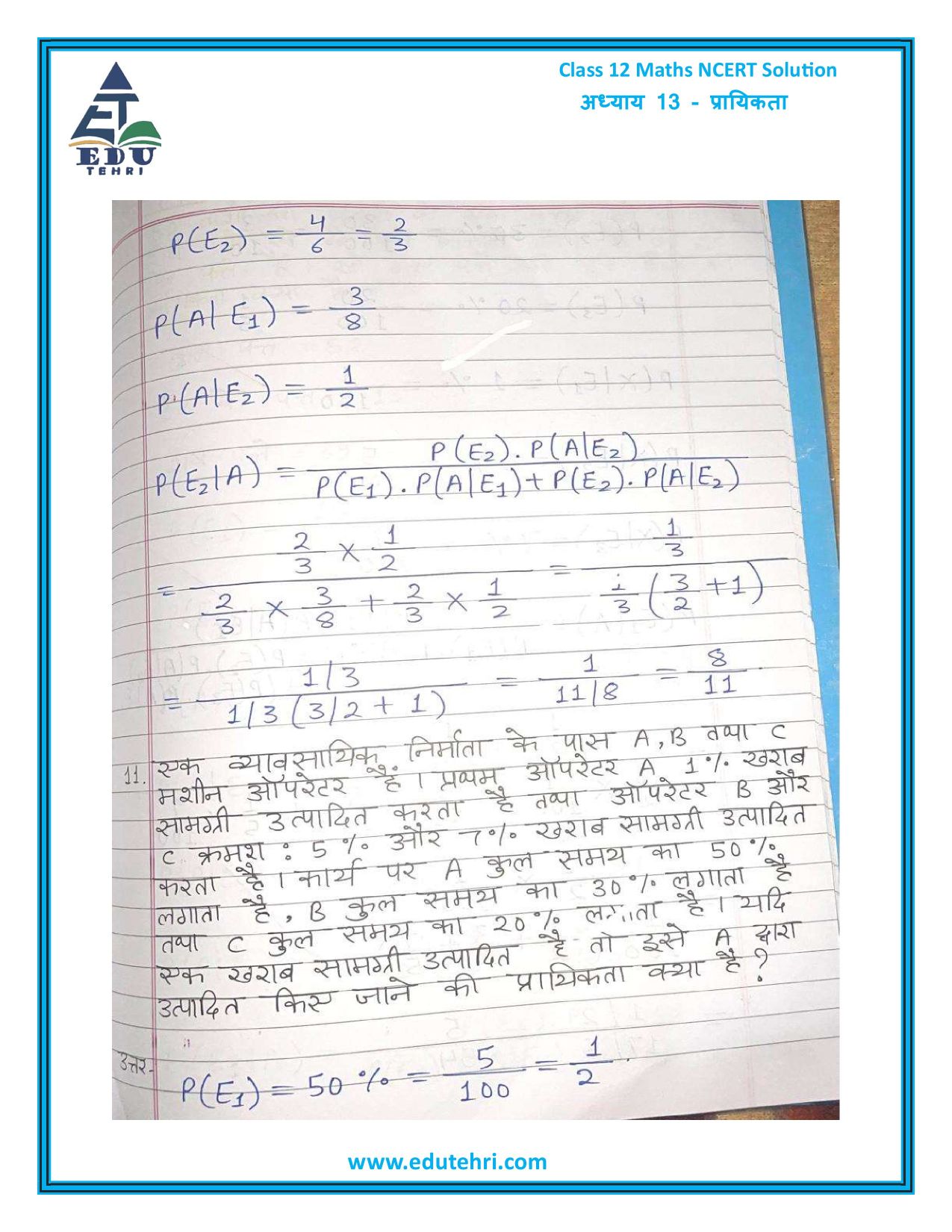
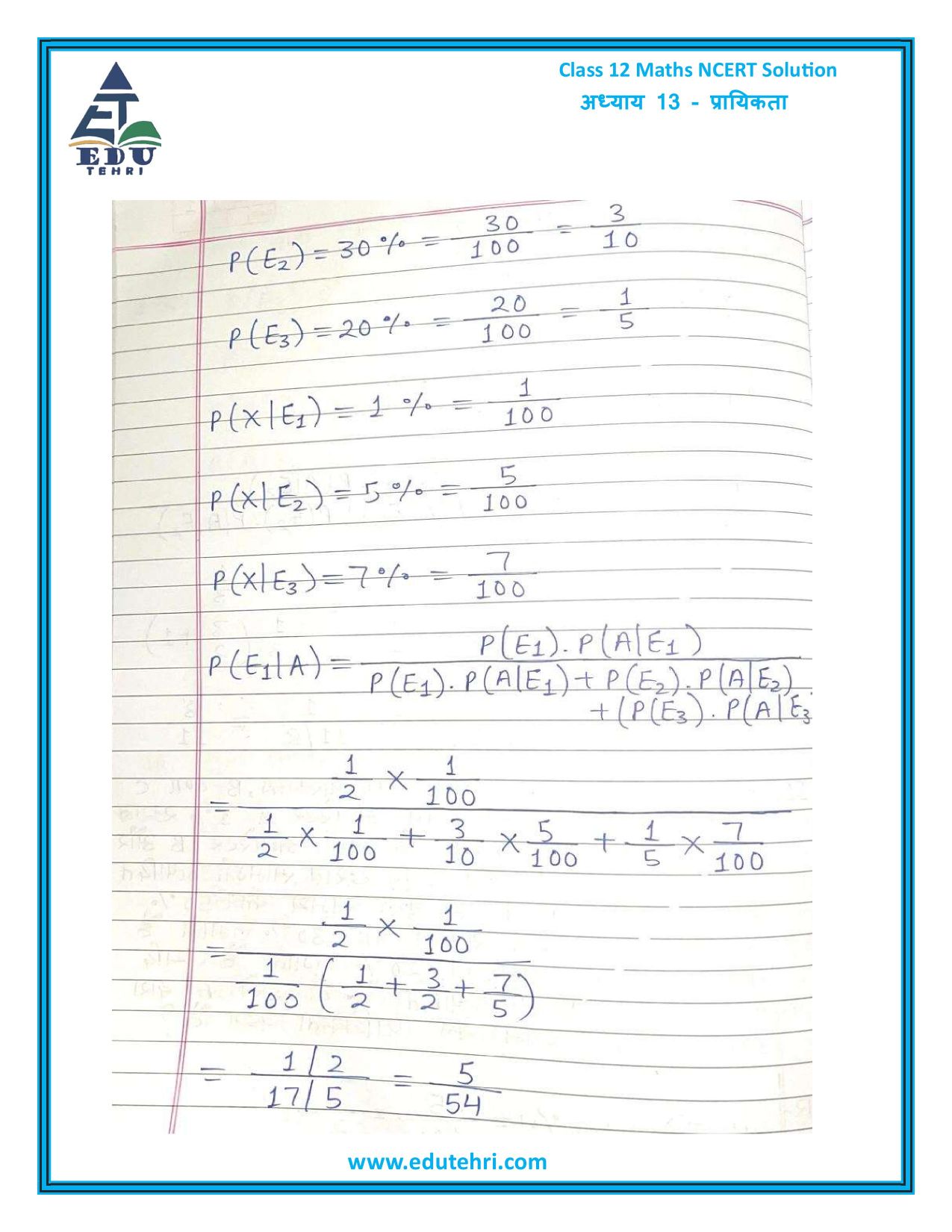
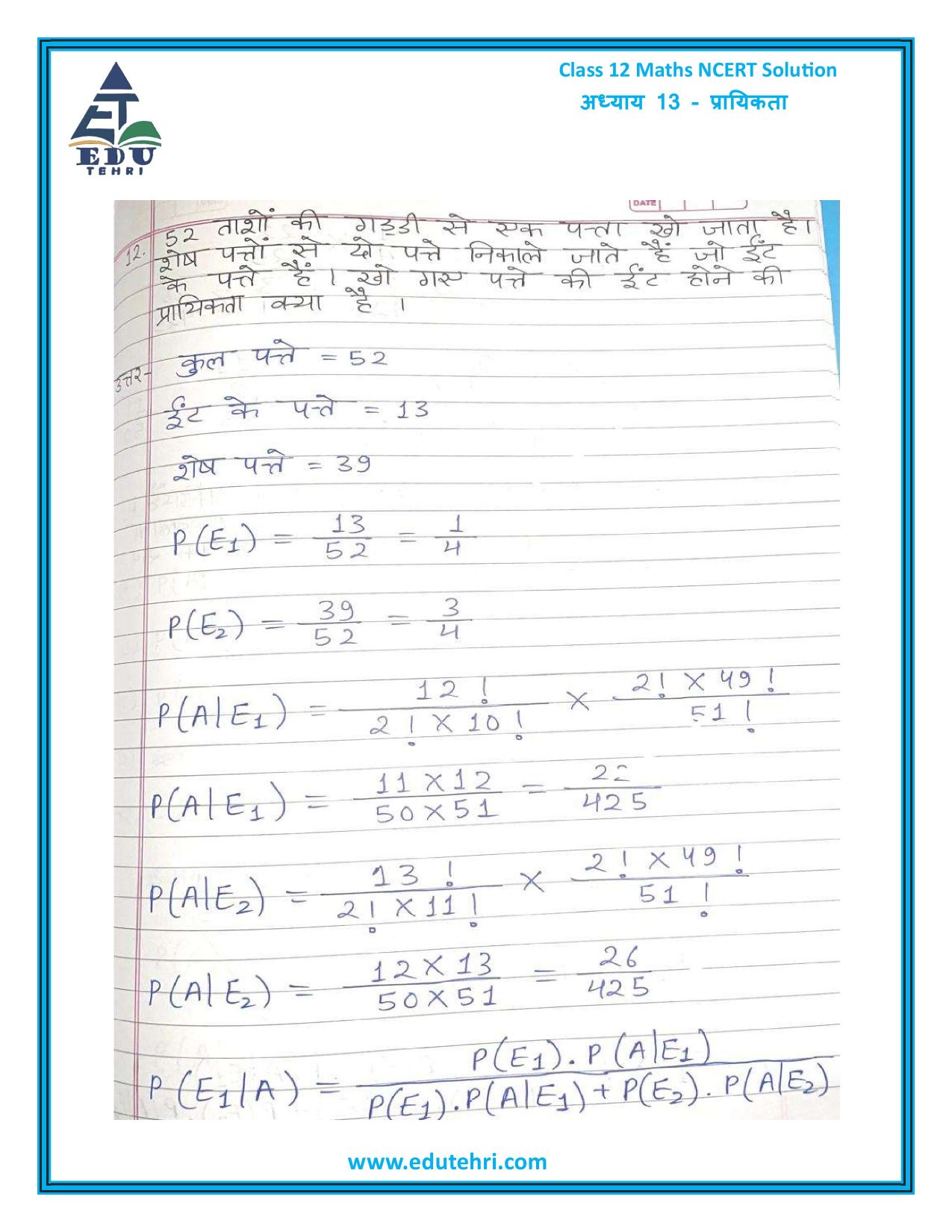
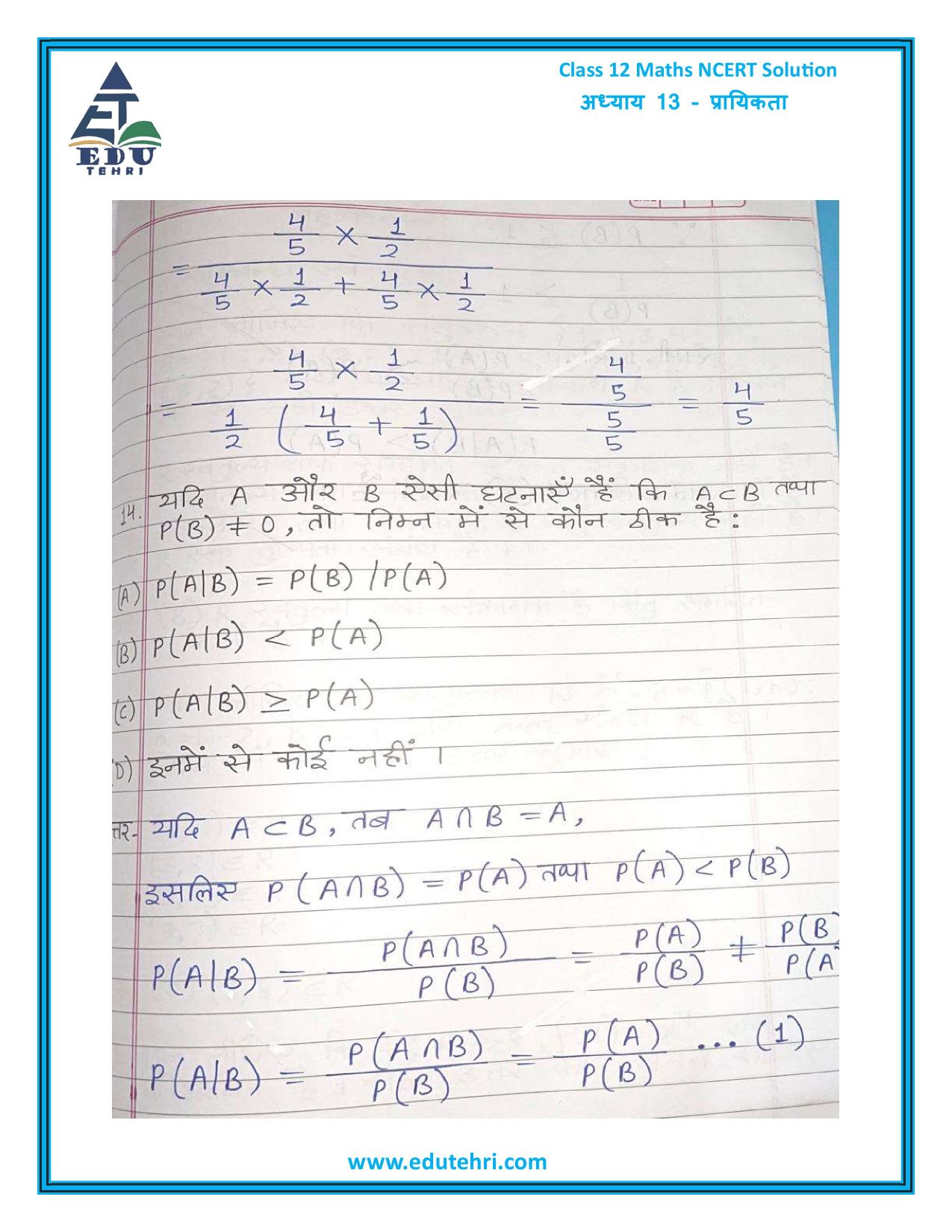
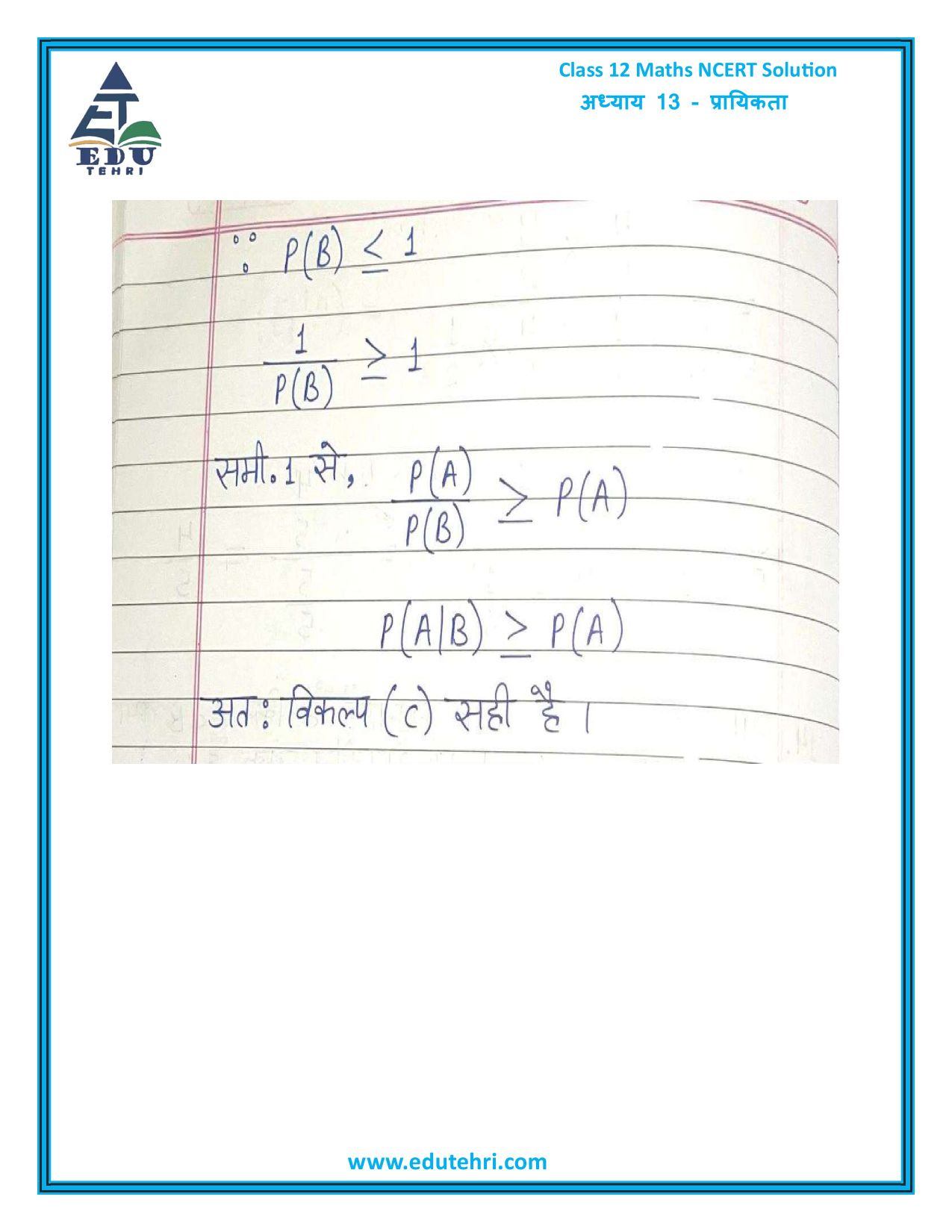
Conditional probability is the probability of an event given that another event has already occurred.
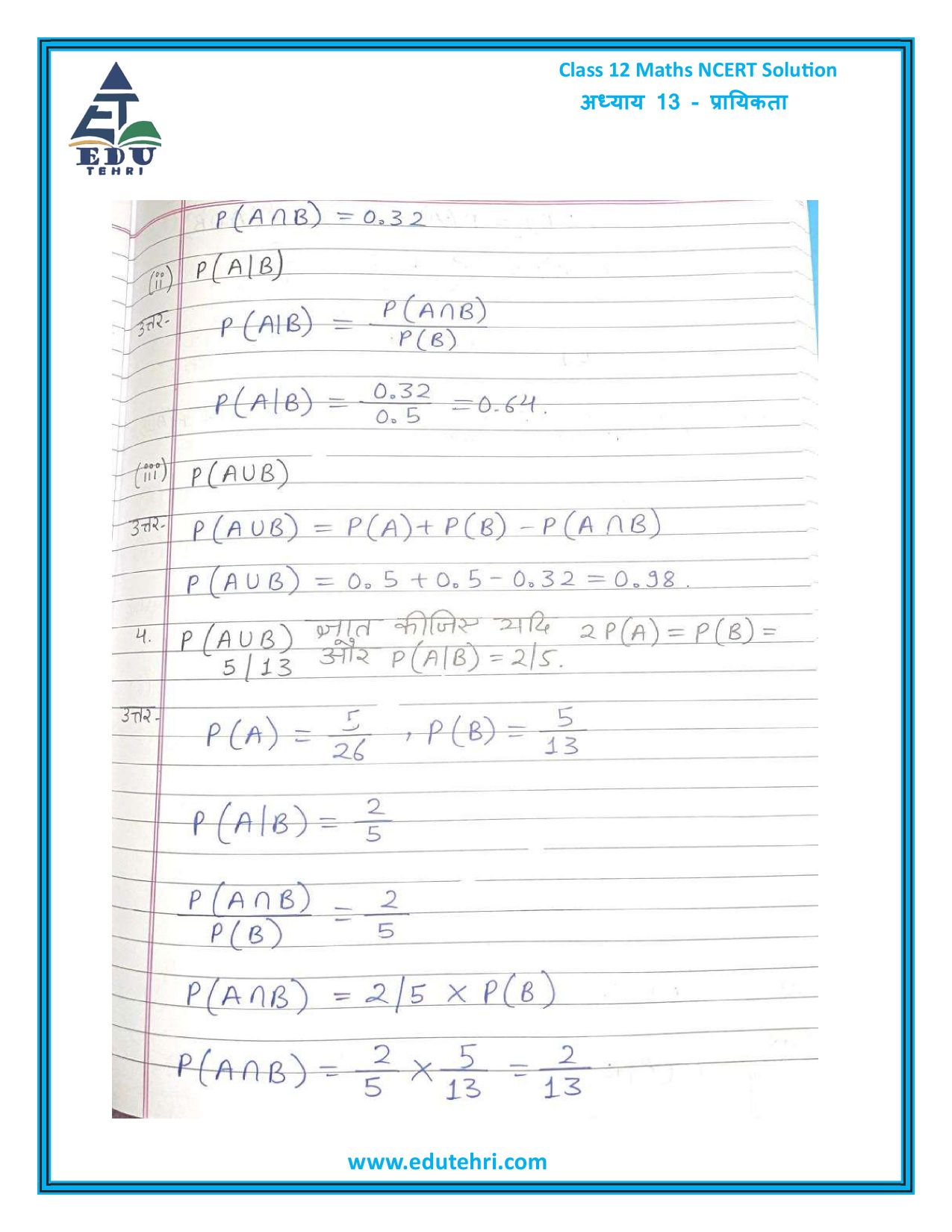
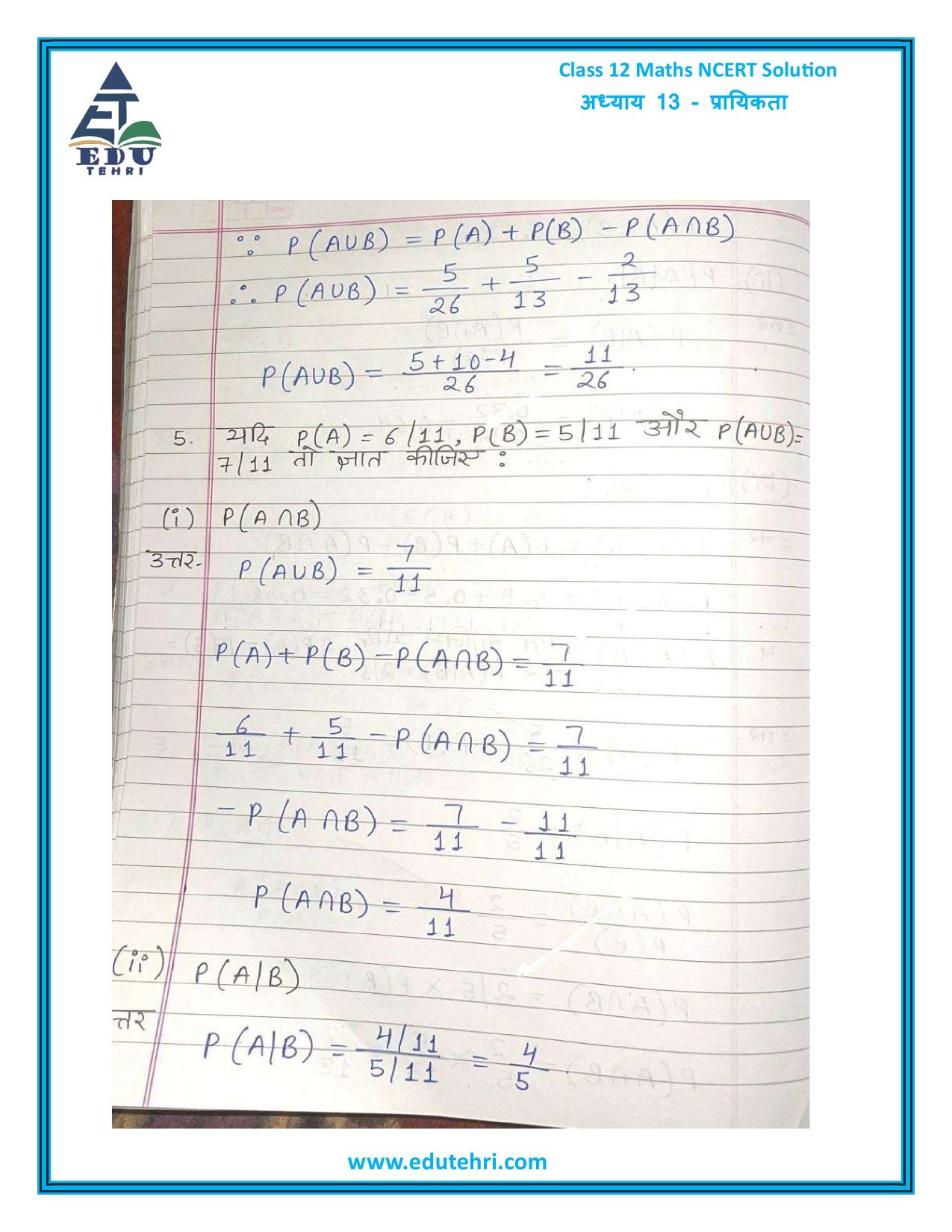
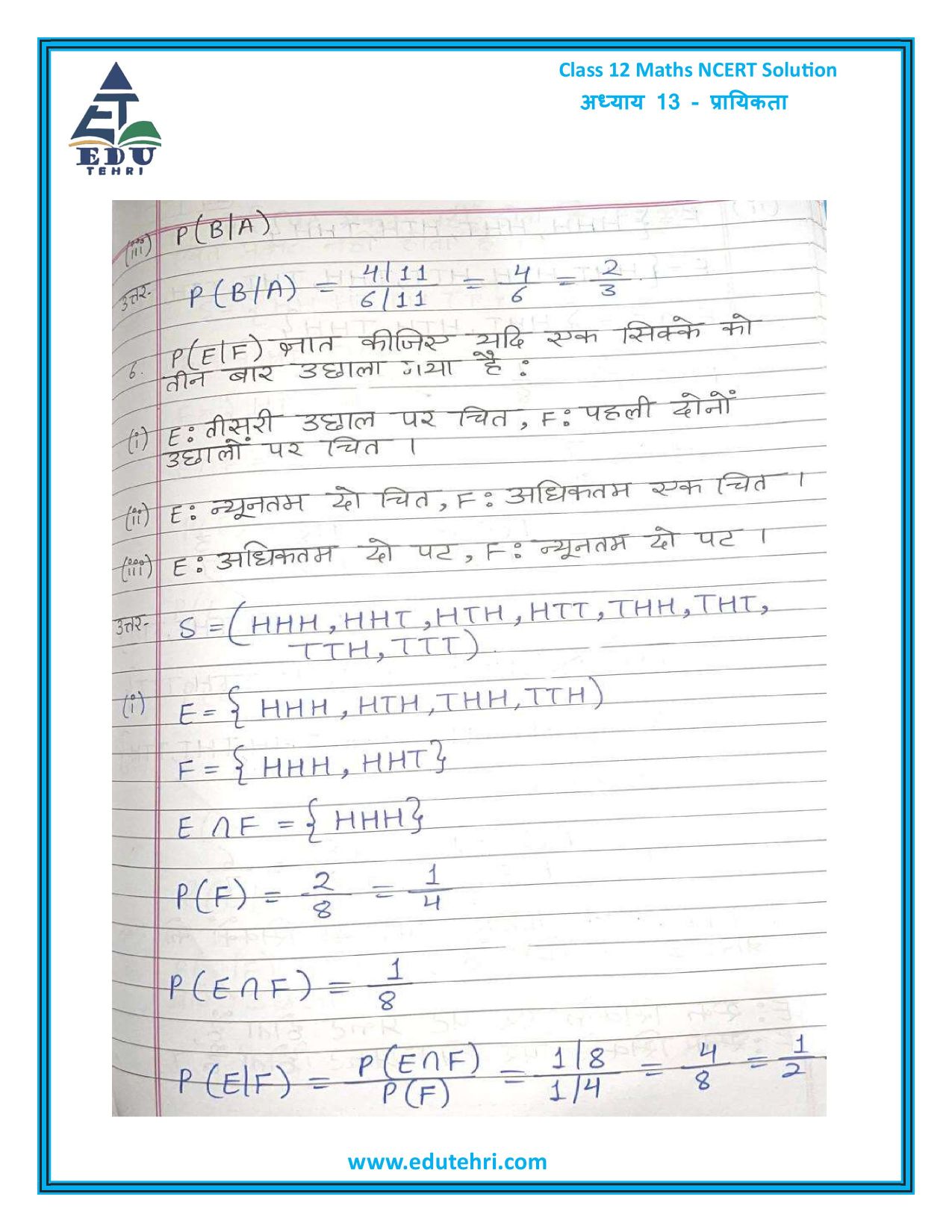
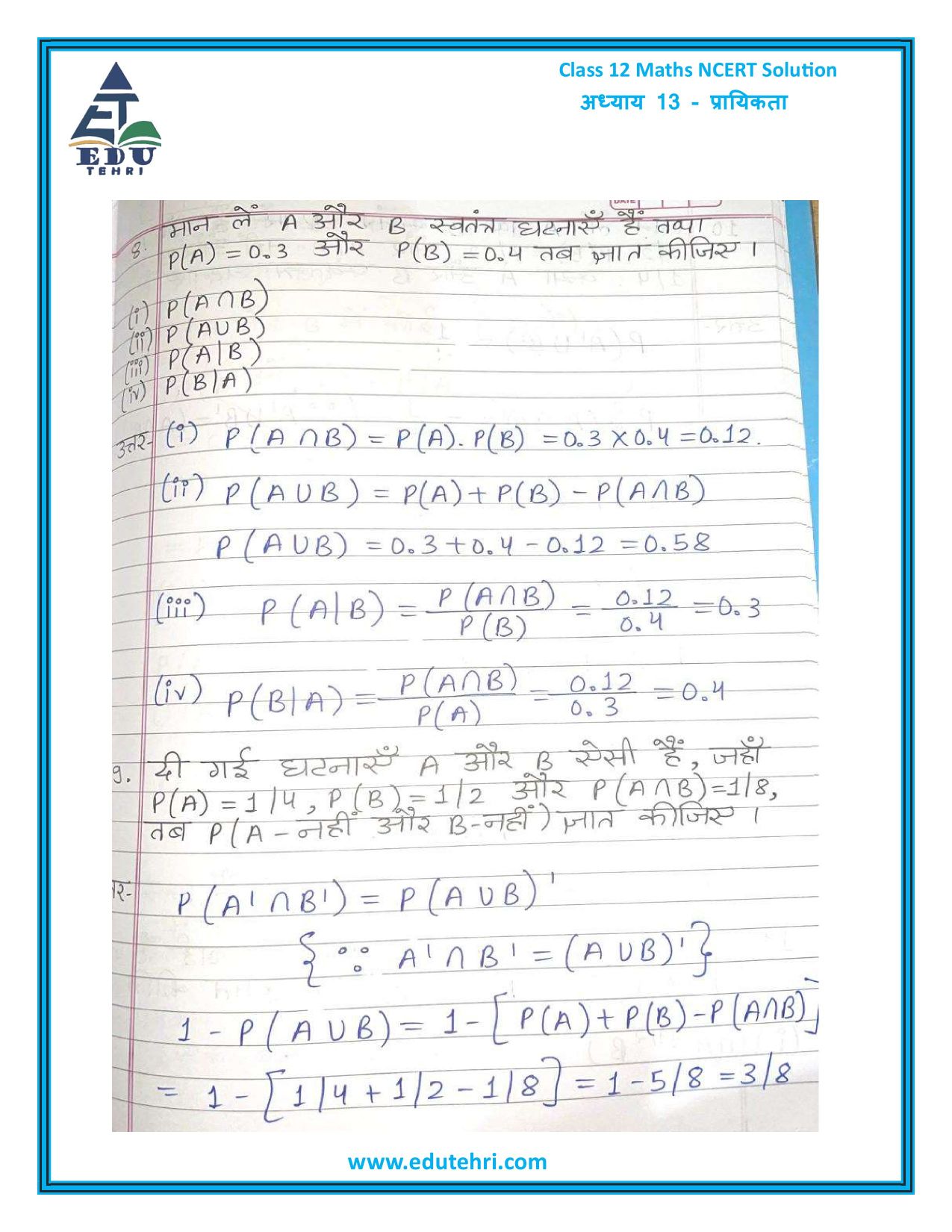
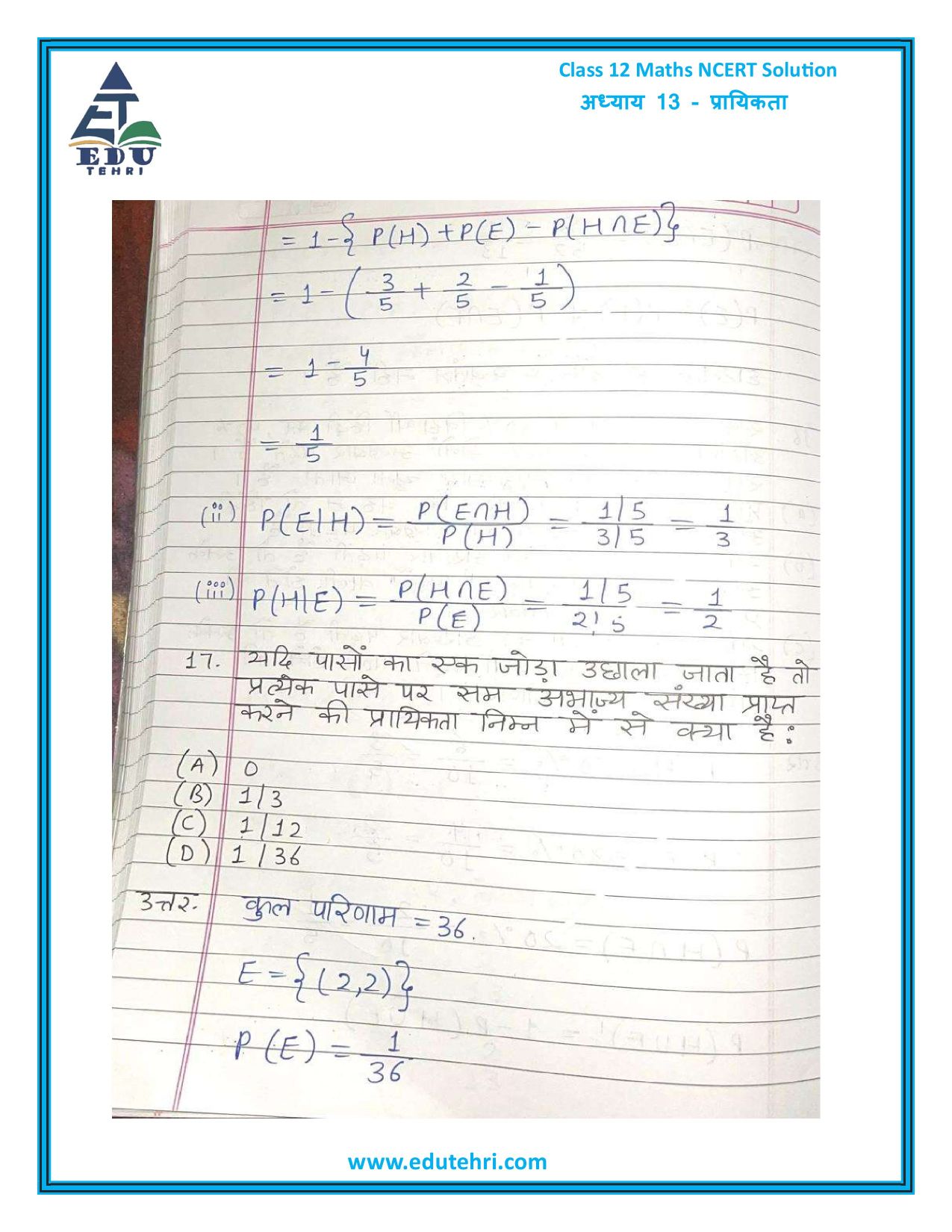
P(A|B) = \frac{P(A \cap B)}{P(B)}, \quad P(B) \neq 0
Example:Drawing a red ball from a bag given a blue ball is already drawn.
Multiplication and Addition Theorems
Multiplication Theorem
For two events A and B:
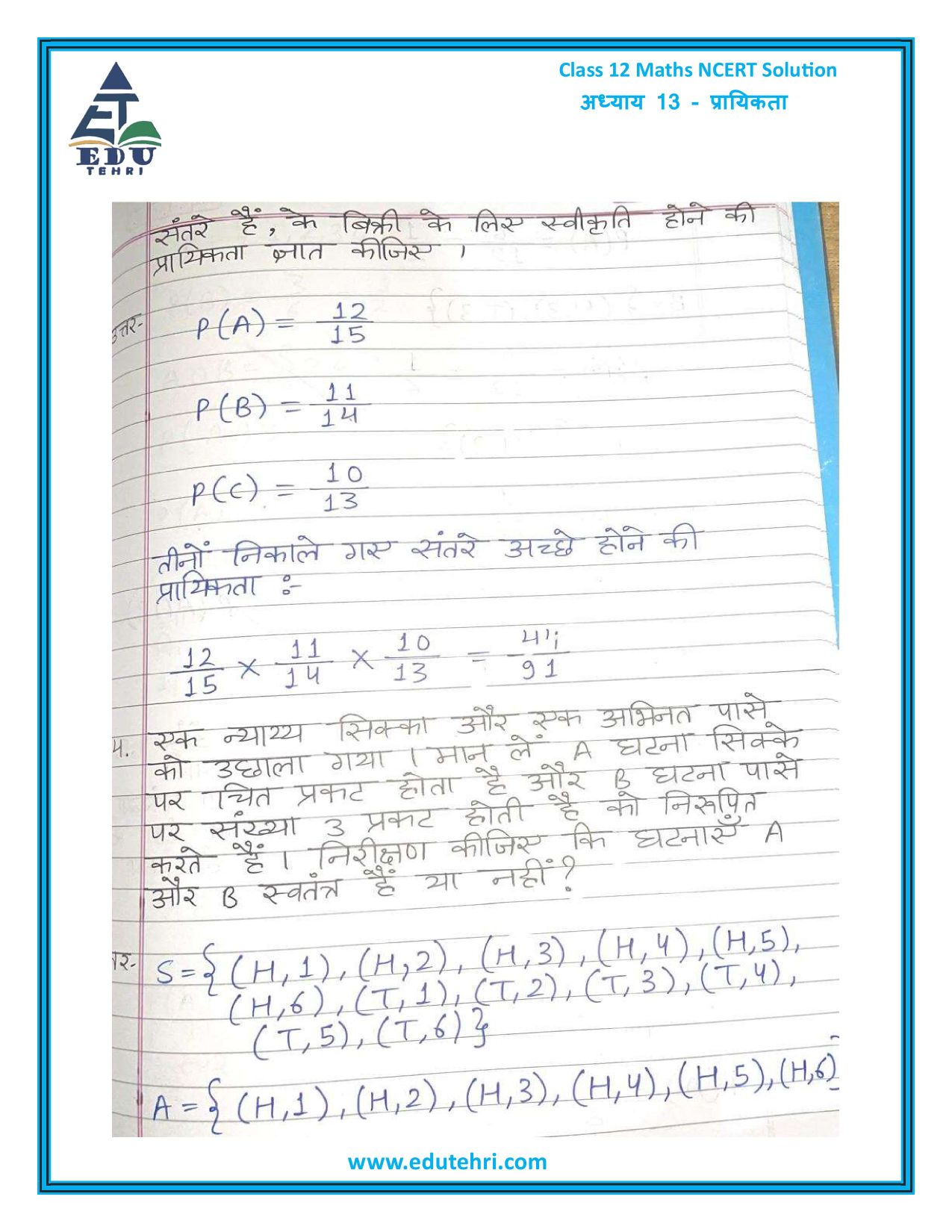
P(A \cap B) = P(A) \cdot P(B|A)
If A and B are independent:
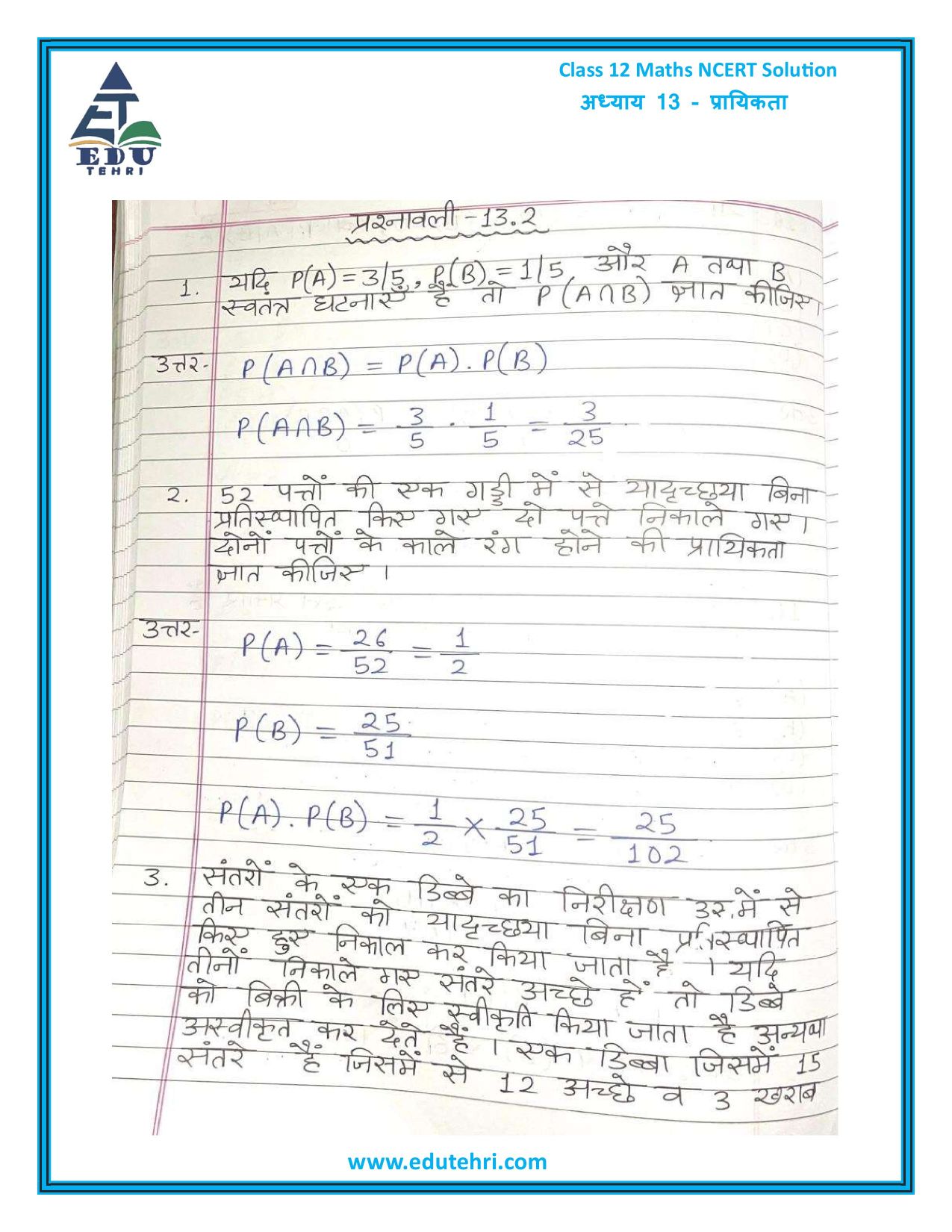
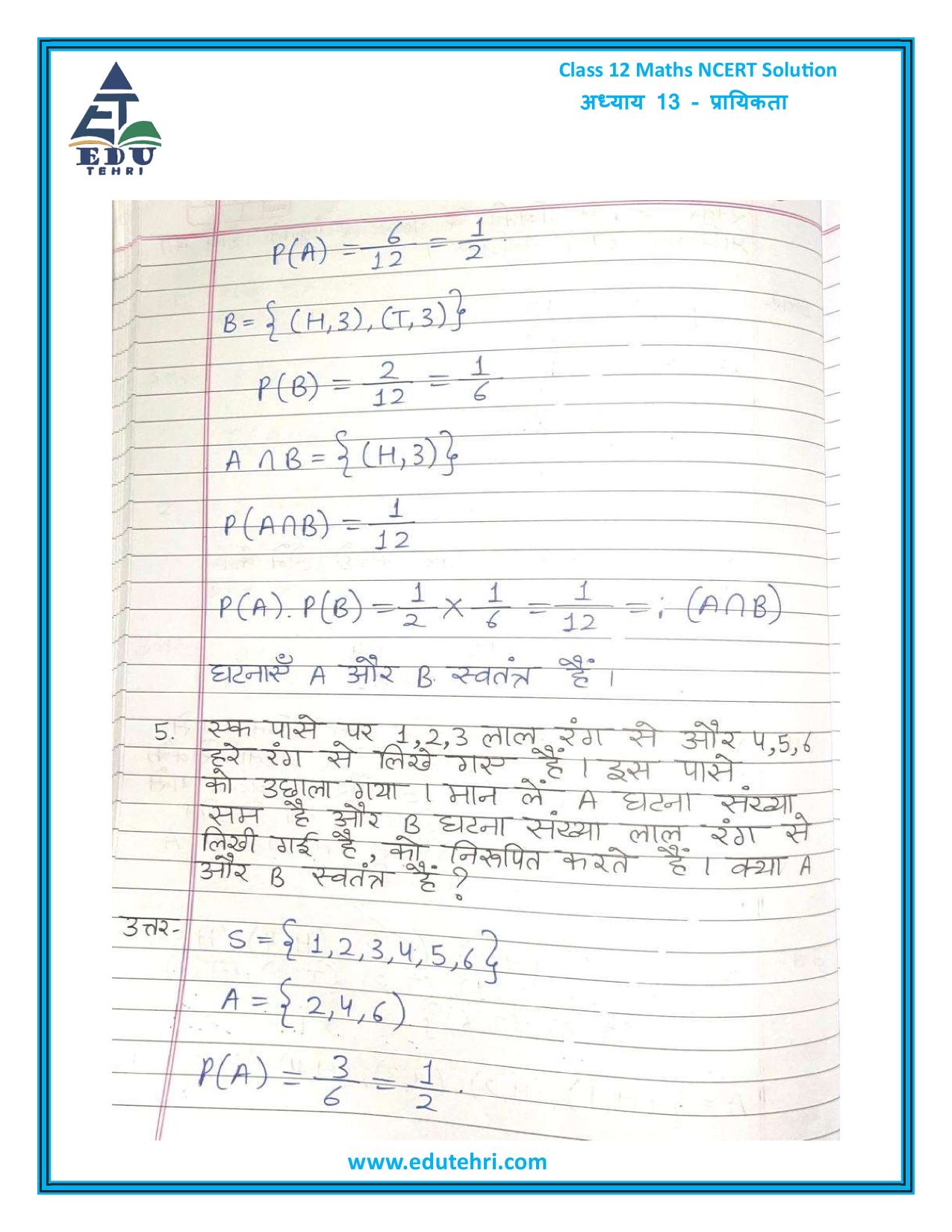
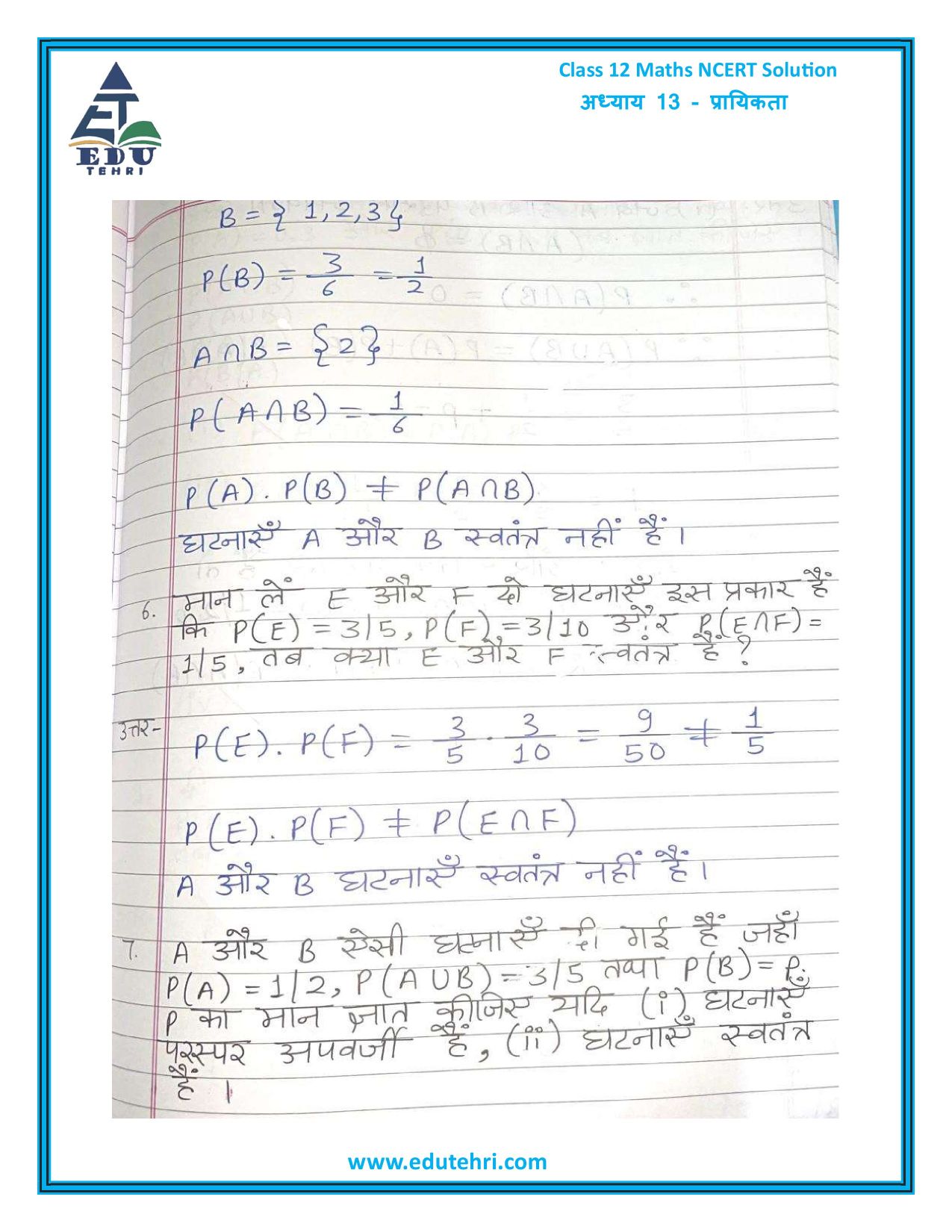
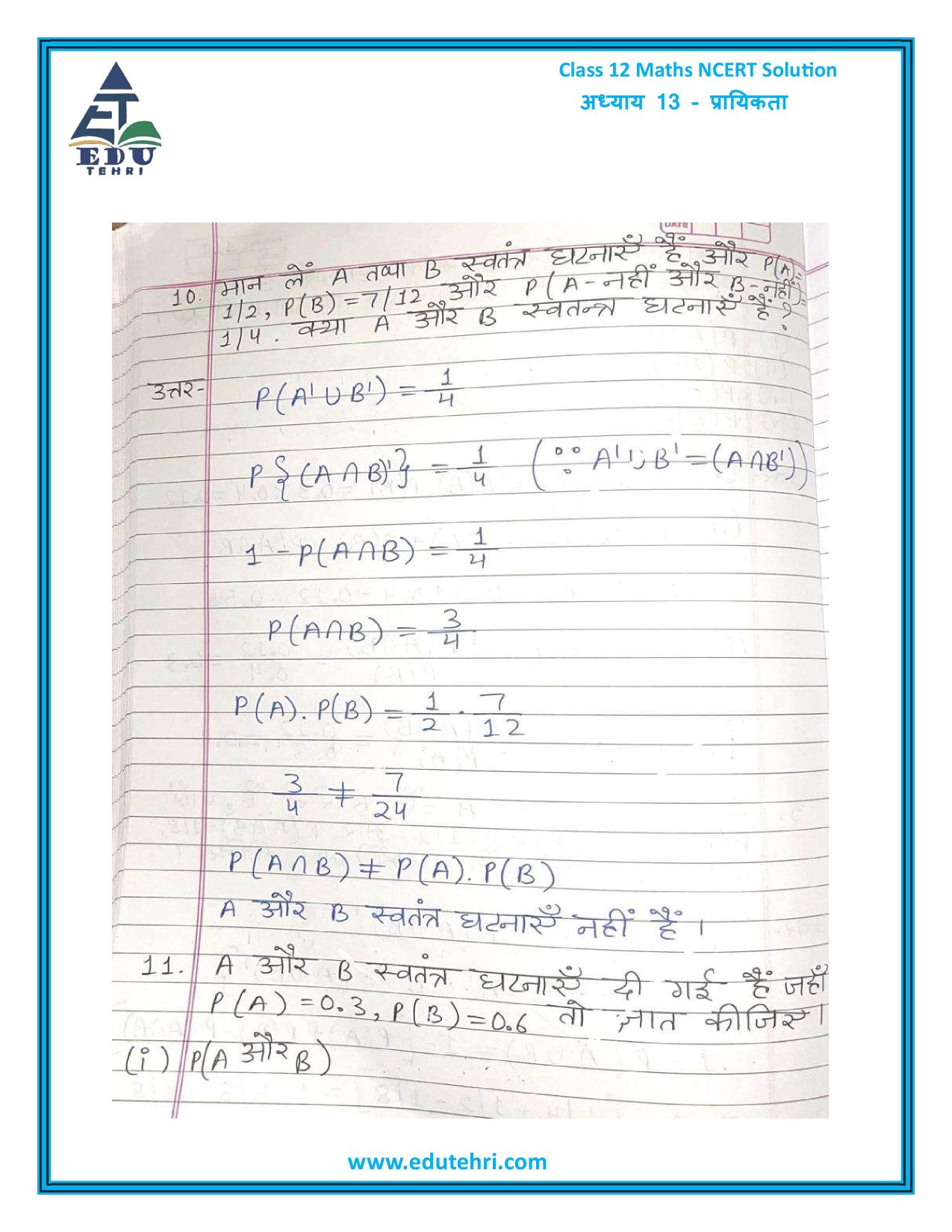
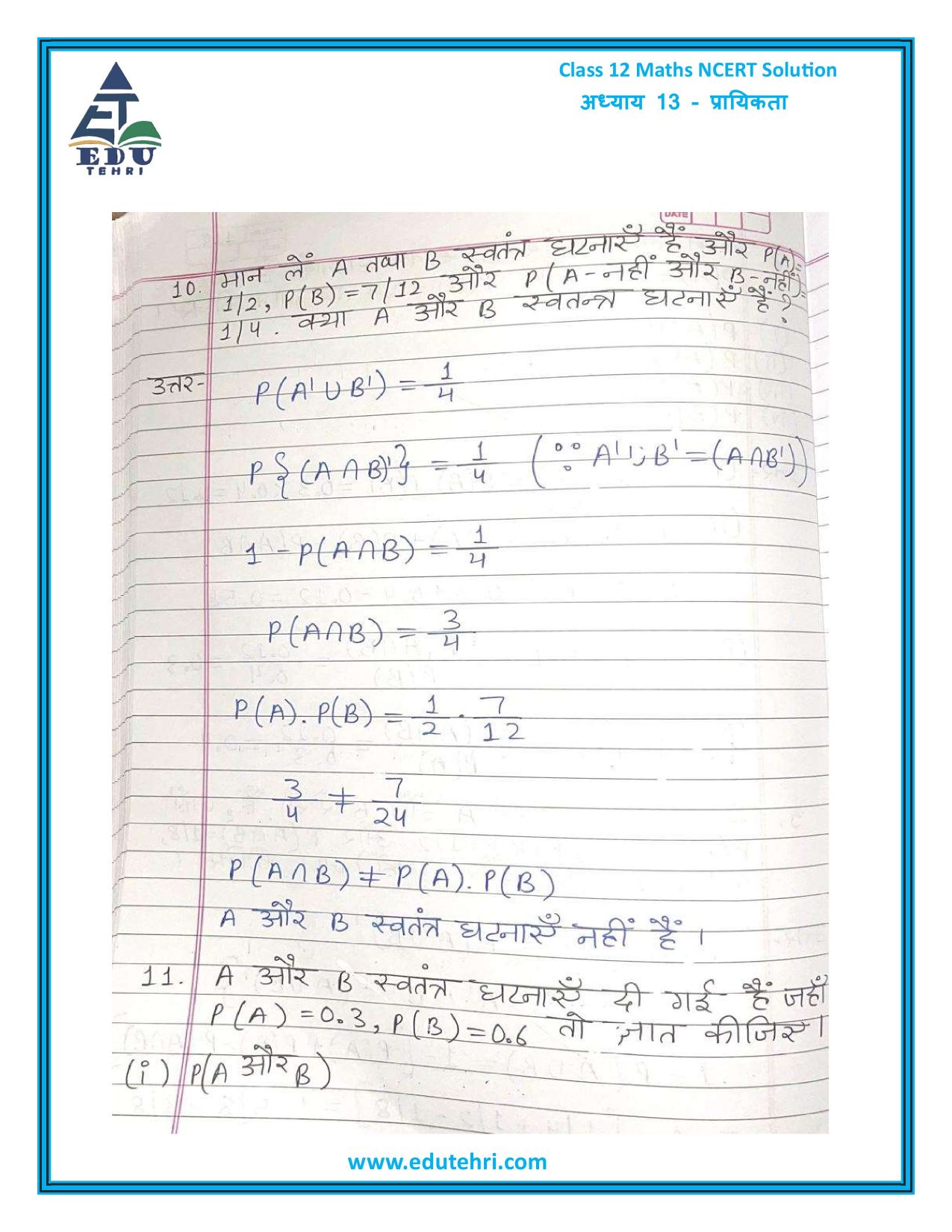
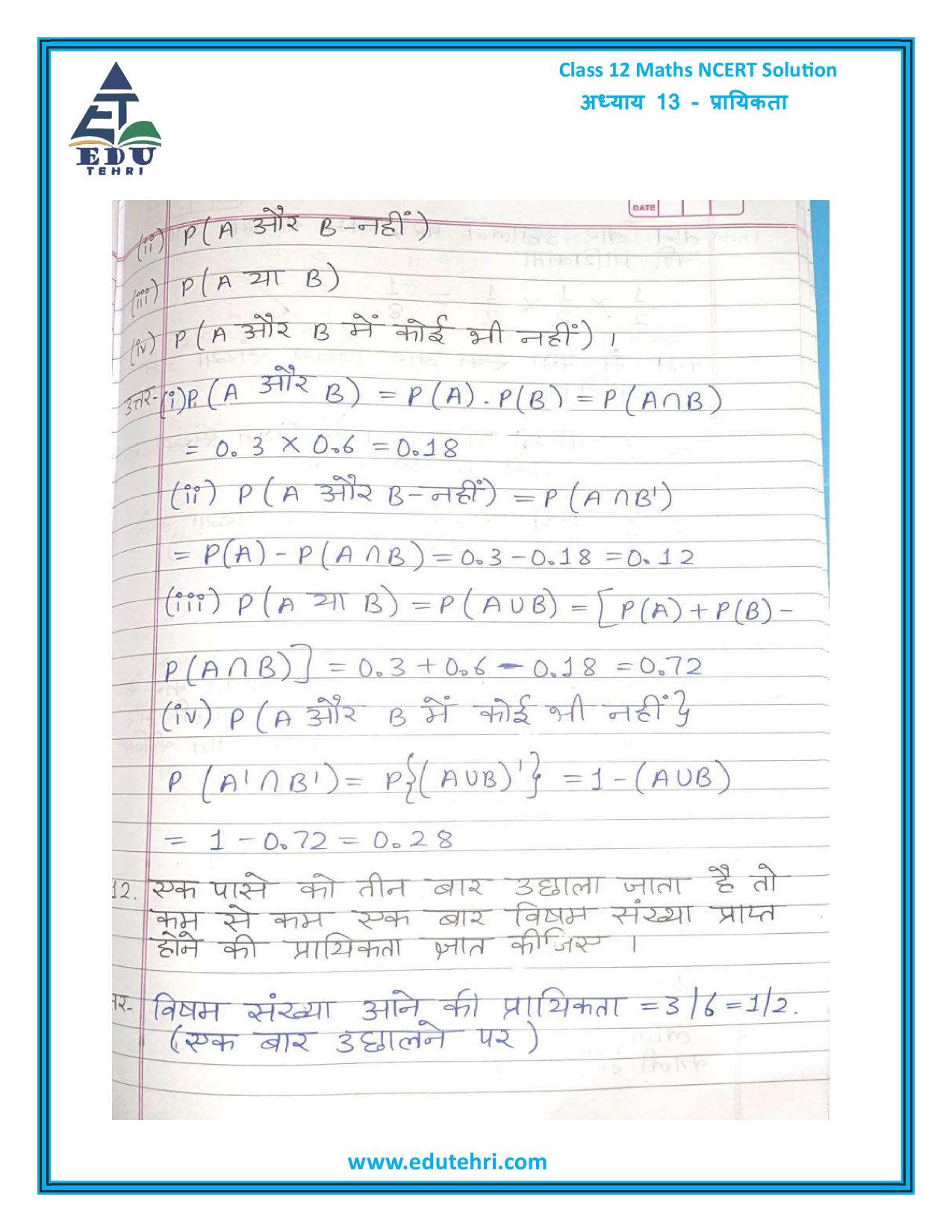
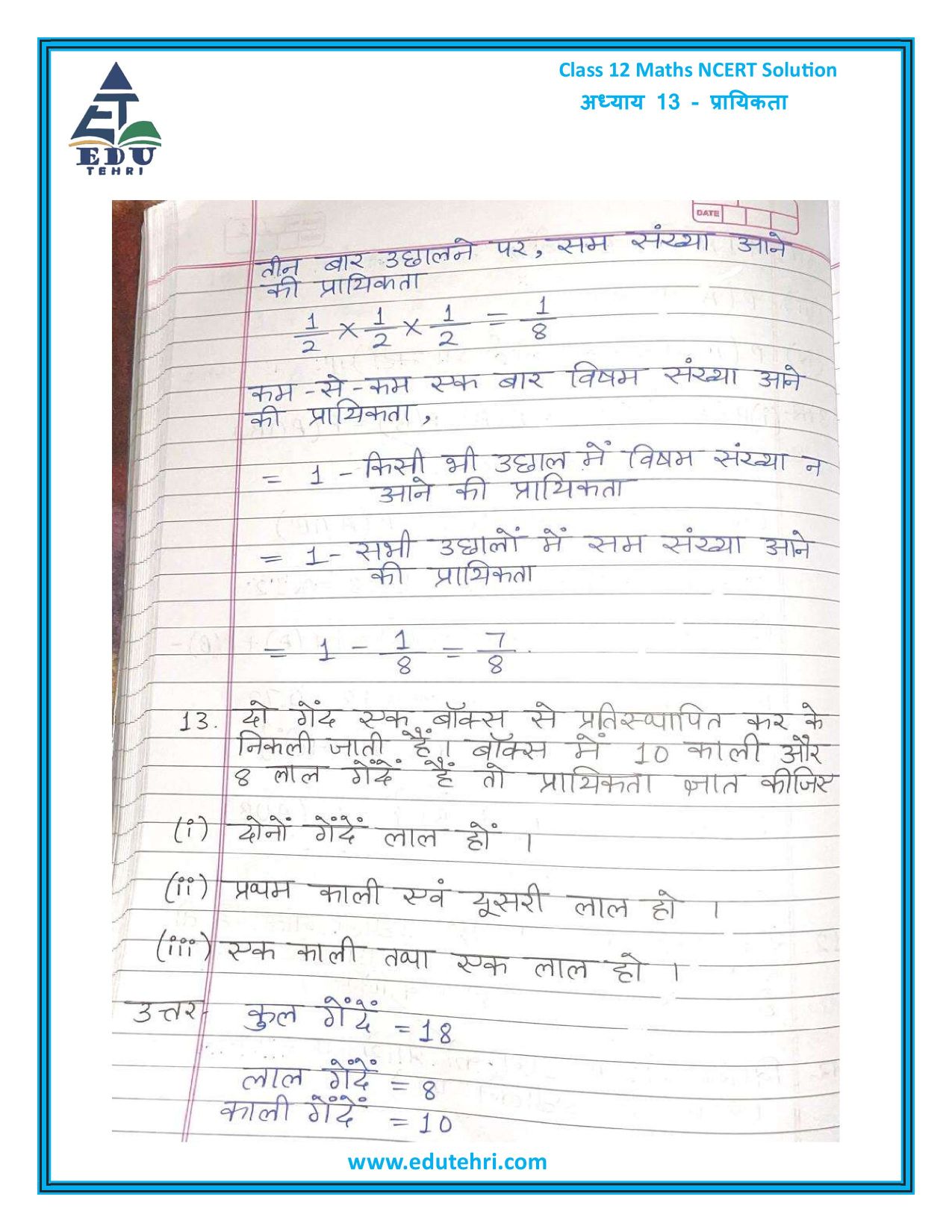
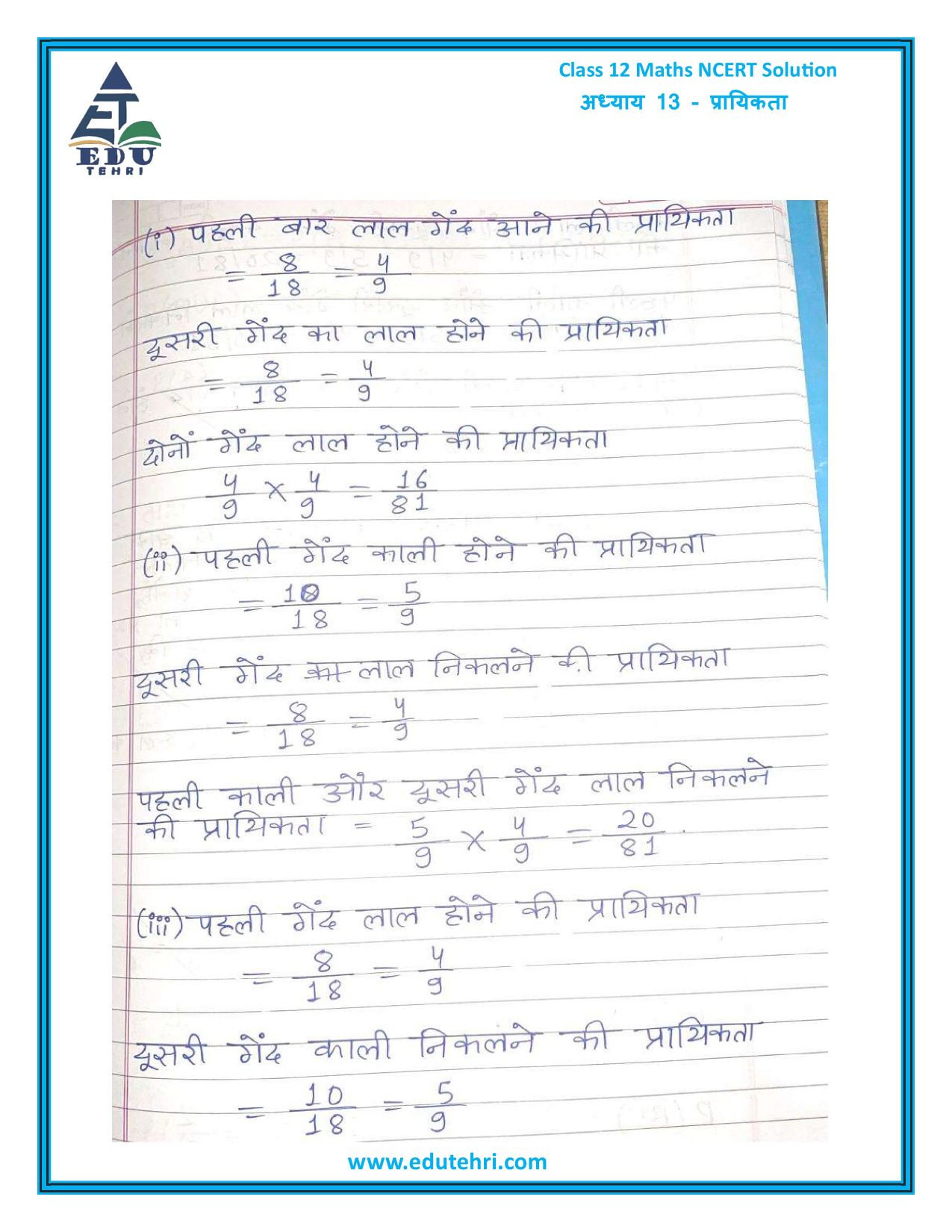
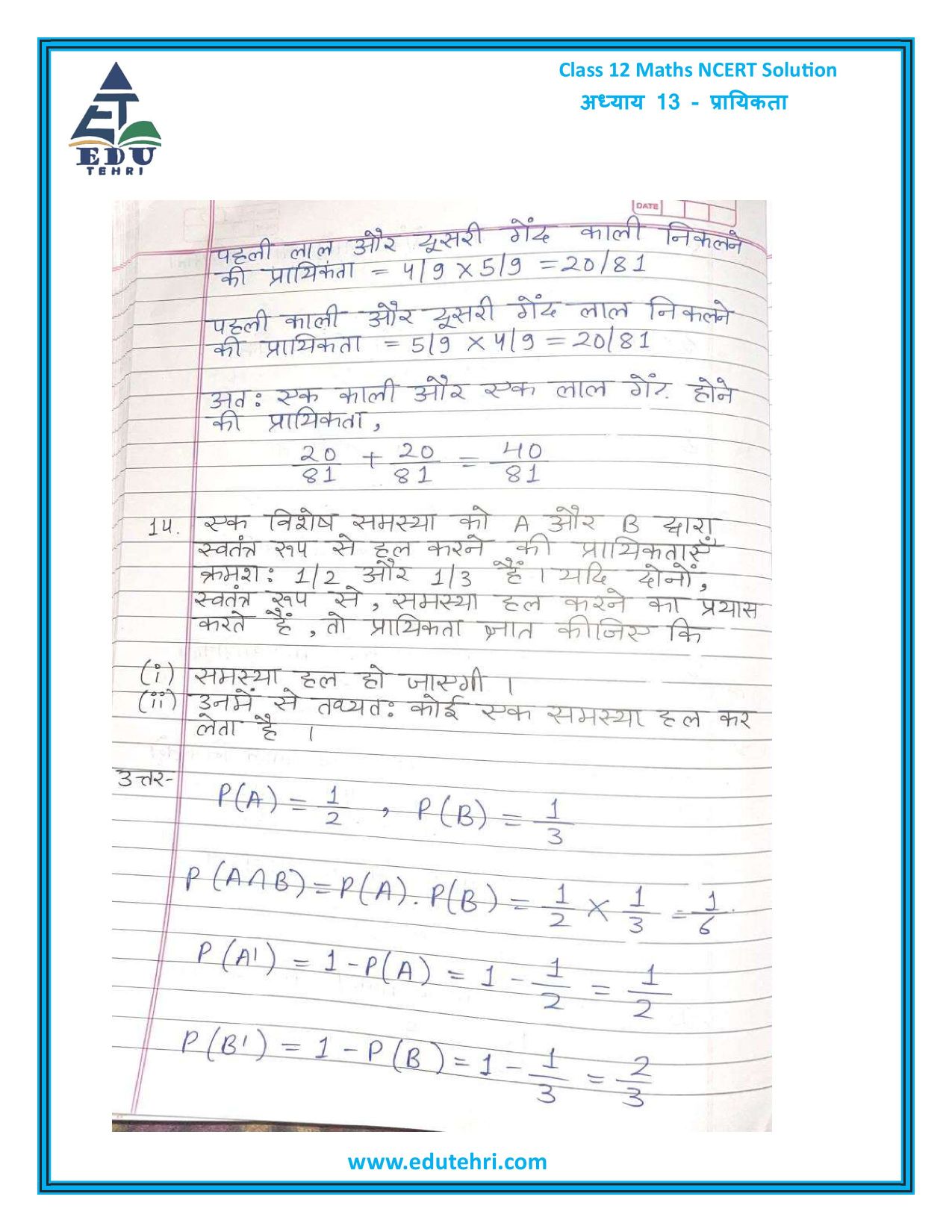
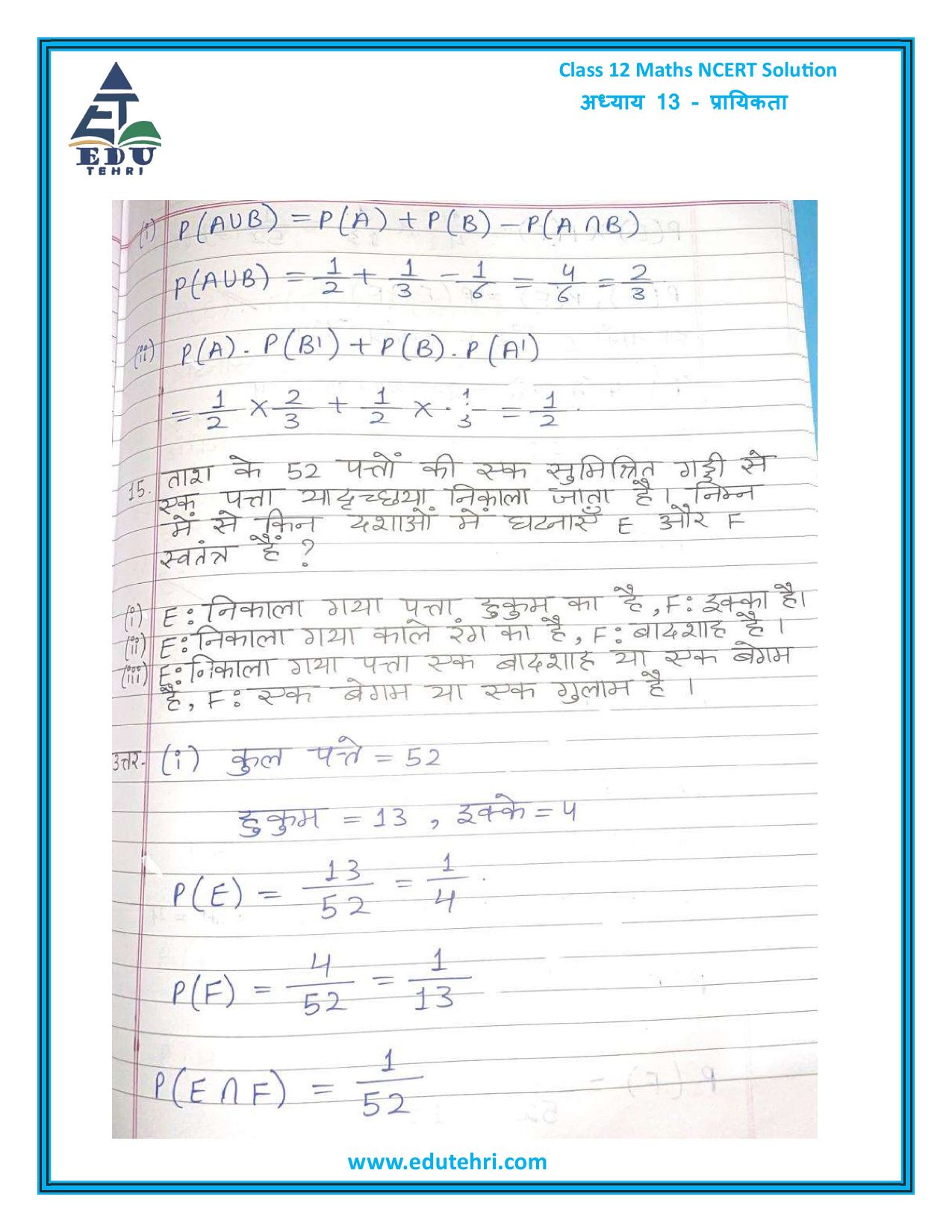
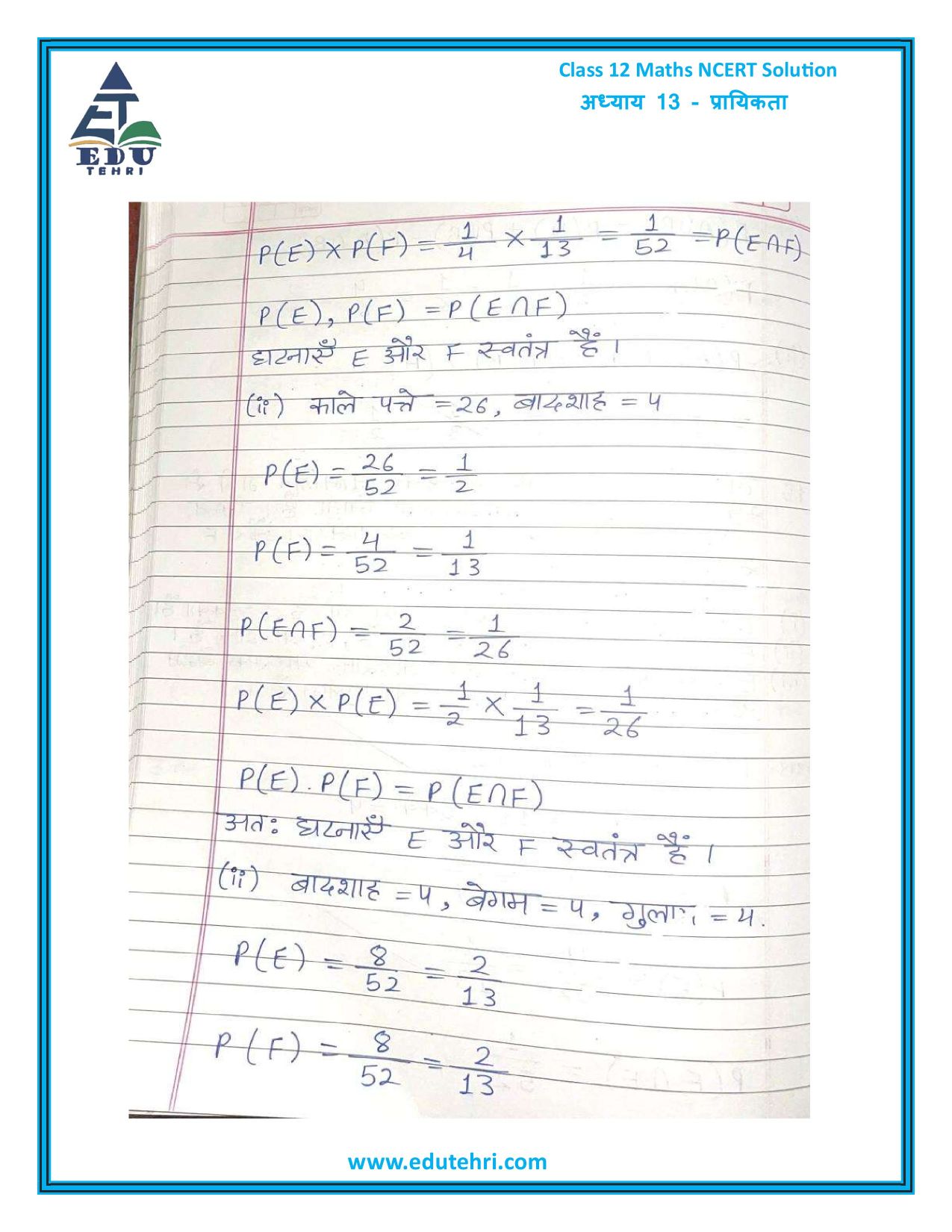
P(A \cap B) = P(A) \cdot P(B)
Problems with Non-Negative
Constraints: Variables x, y ≥ 0
Addition Theorem
For any two events A and B:
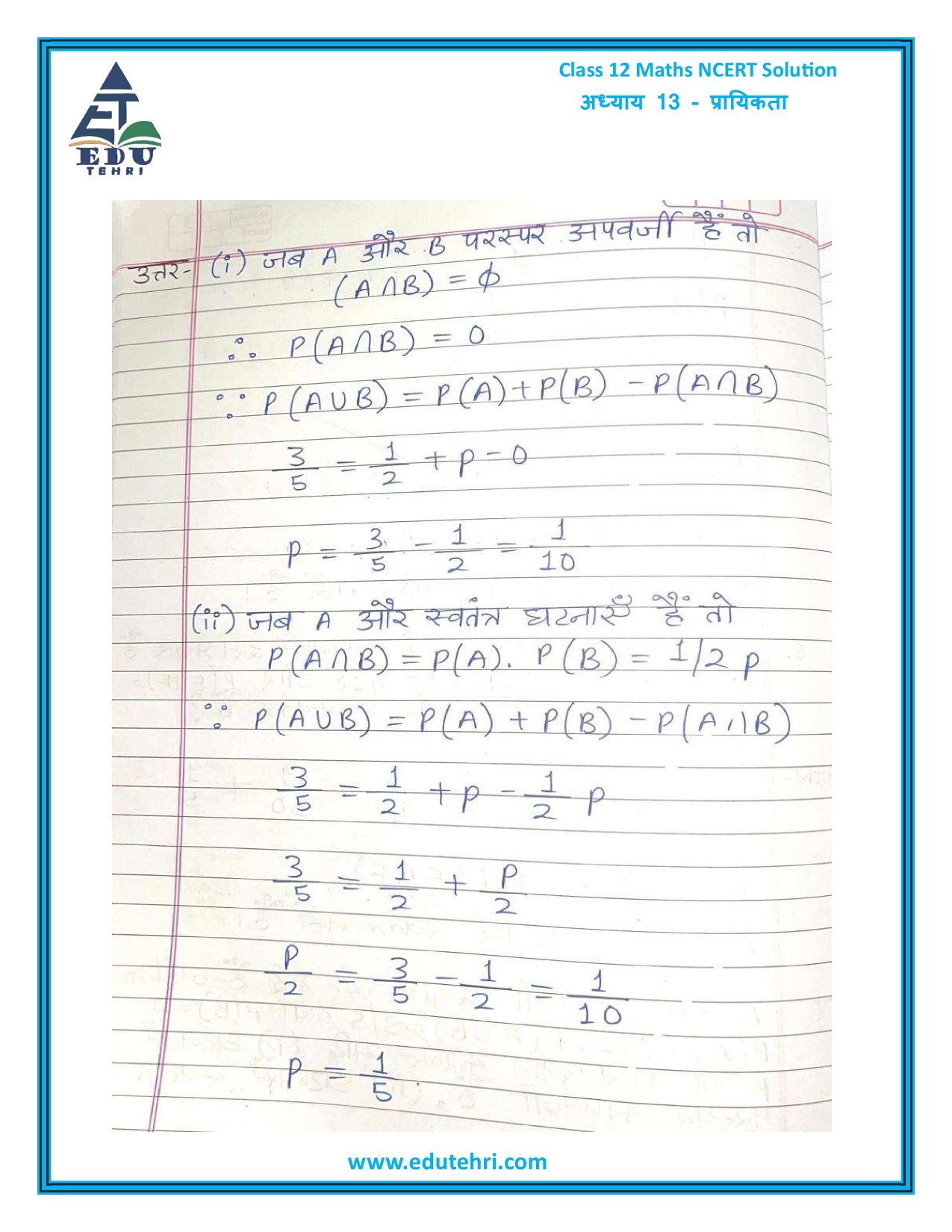
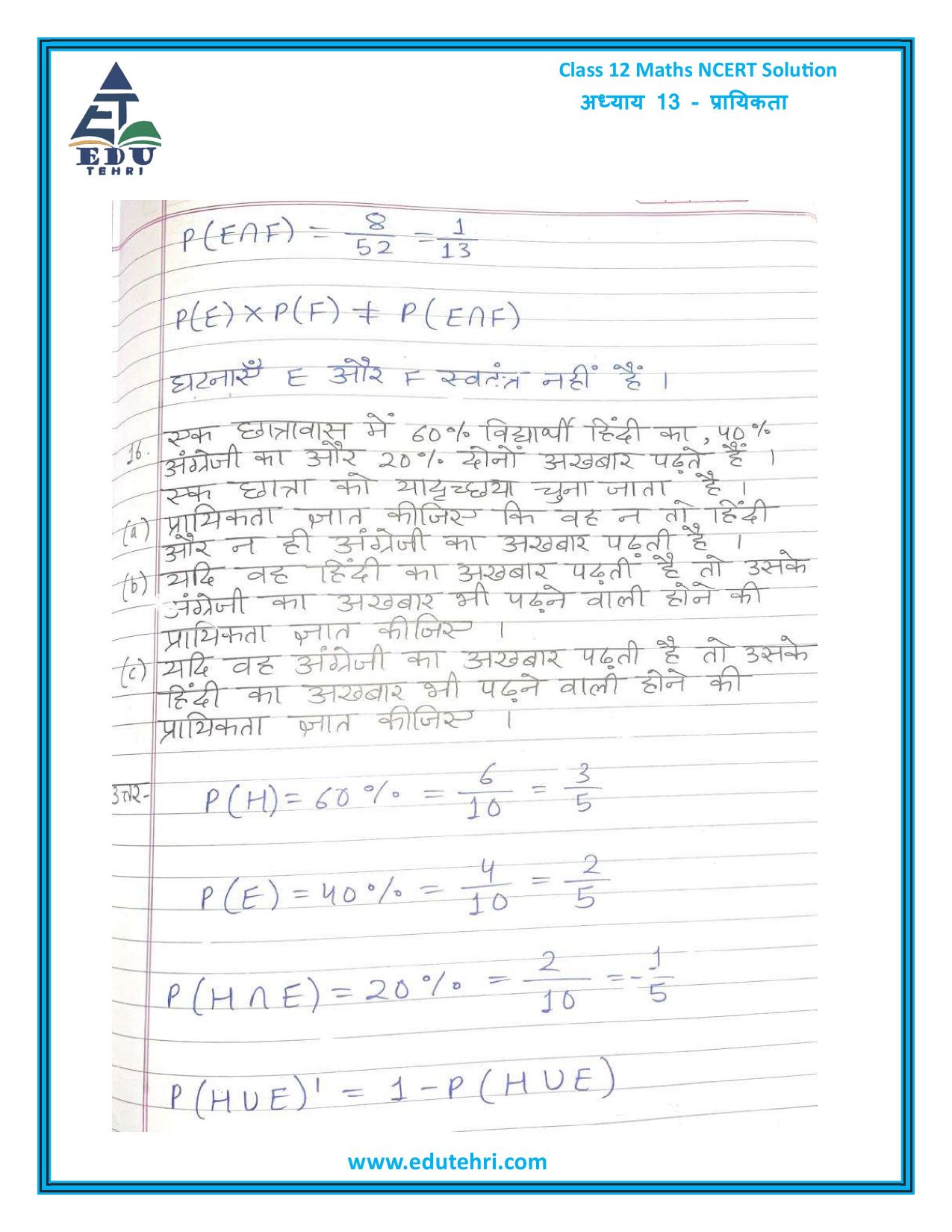
P(A \cup B) = P(A) + P(B) - P(A \cap B)
If A and B are mutually exclusive:
P(A \cup B) = P(A) + P(B)
Complementary Events
The probability of not happening an event is called complement probability:
P(A’) = 1 - P(A)
Where A’ is the complement of A.
Random Experiments
A random experiment is an experiment where the outcome cannot be predicted exactly.
Example:
• Tossing a coin
• Throwing a die
• Selecting a card from a deck
Sample Space (S): Set of all possible outcomes of a random experiment.
Probability Distribution
A probability distribution assigns probabilities to all possible outcomes of a random experiment.
For a discrete random variable X:
\sum P(X) = 1
Example: Rolling a die
X = \{1, 2, 3, 4, 5, 6\}, \quad P(X) = \frac{1}{6} \text{ each}
Bayes’ Theorem (Optional / Advanced)
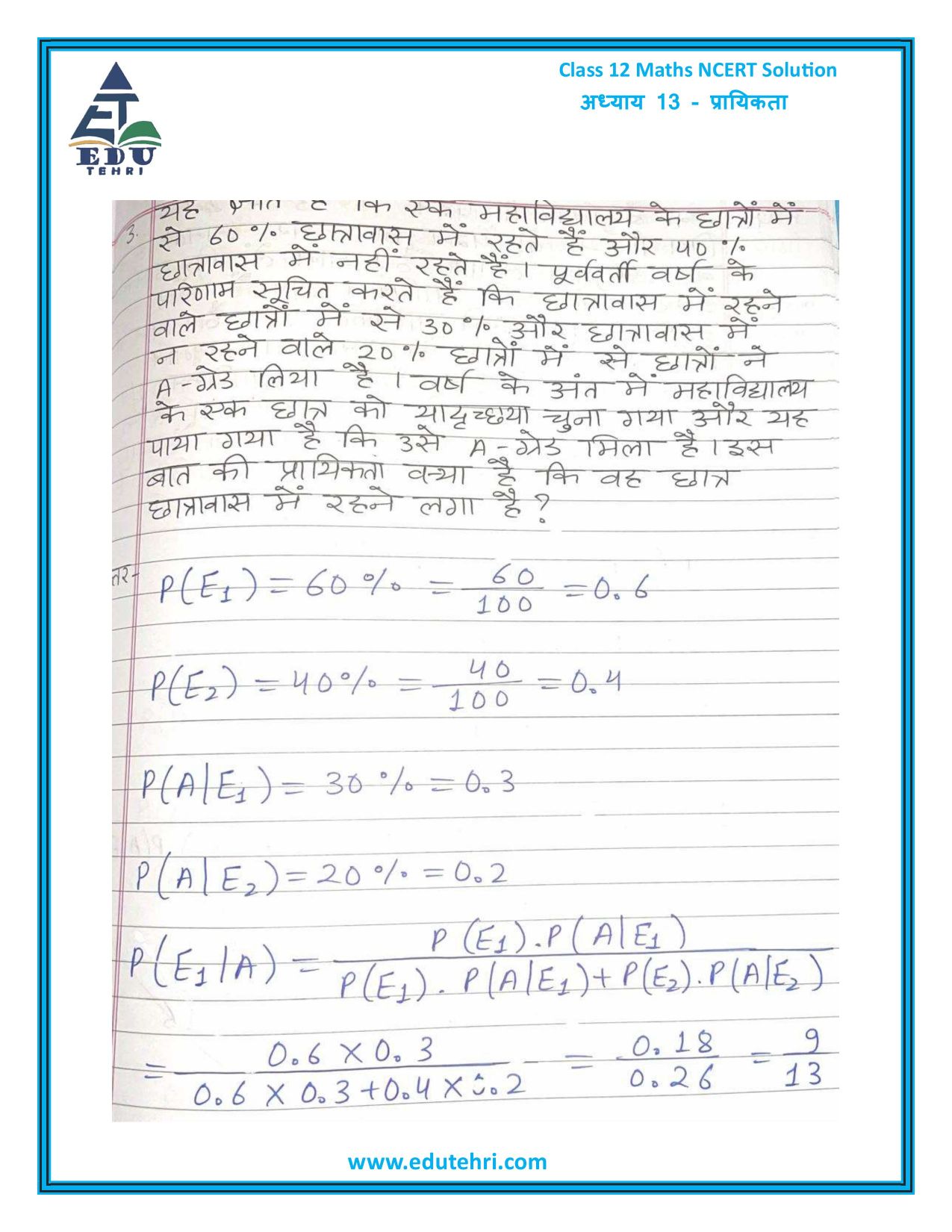
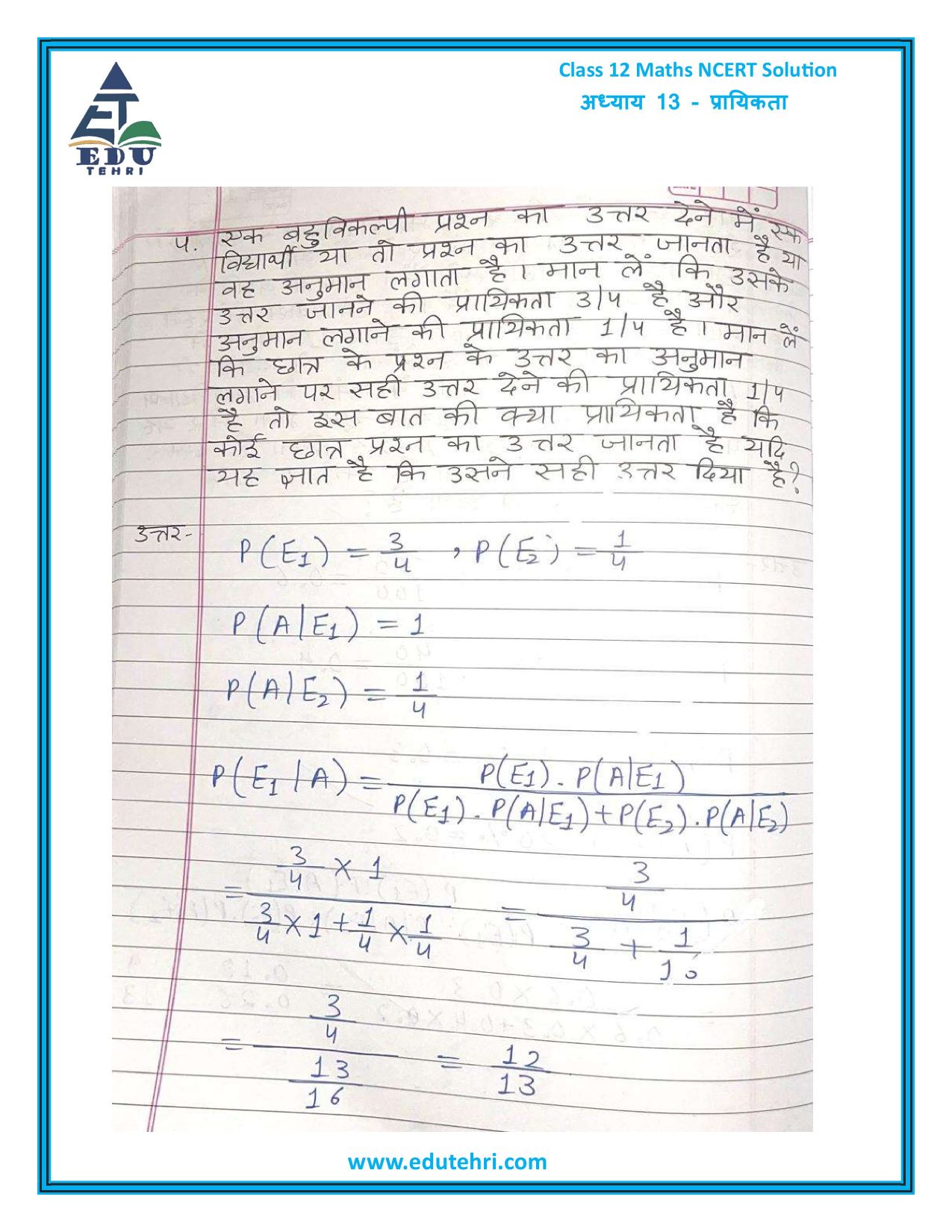
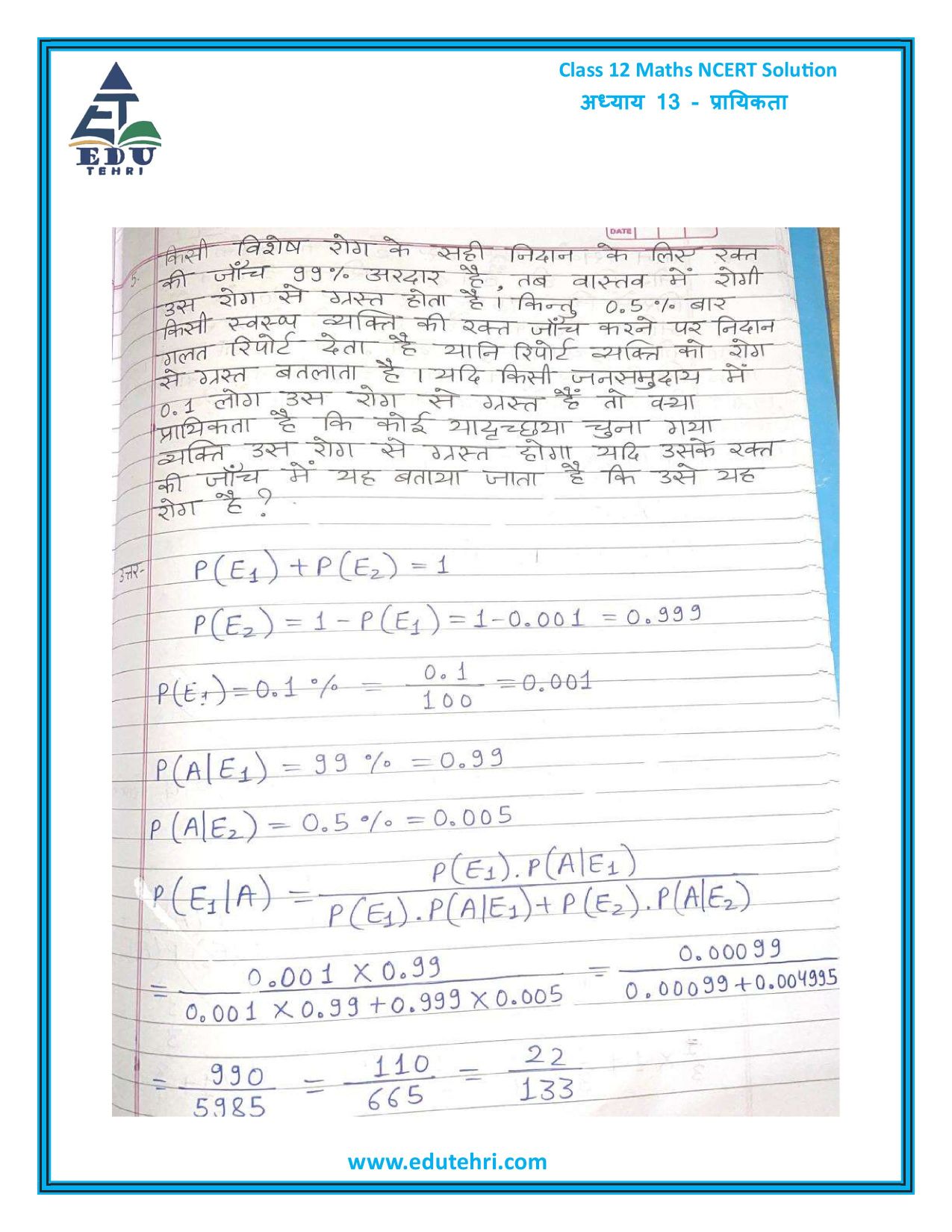
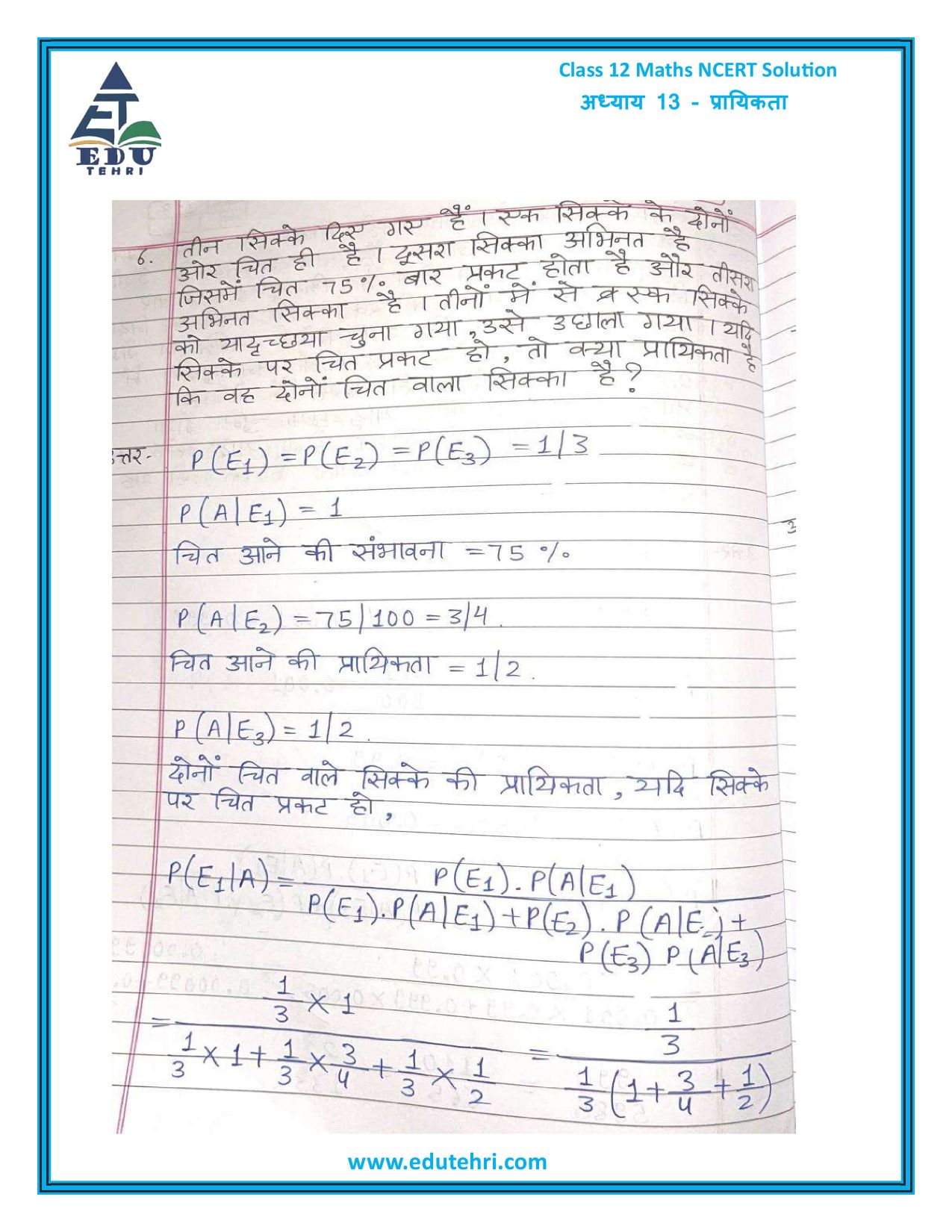
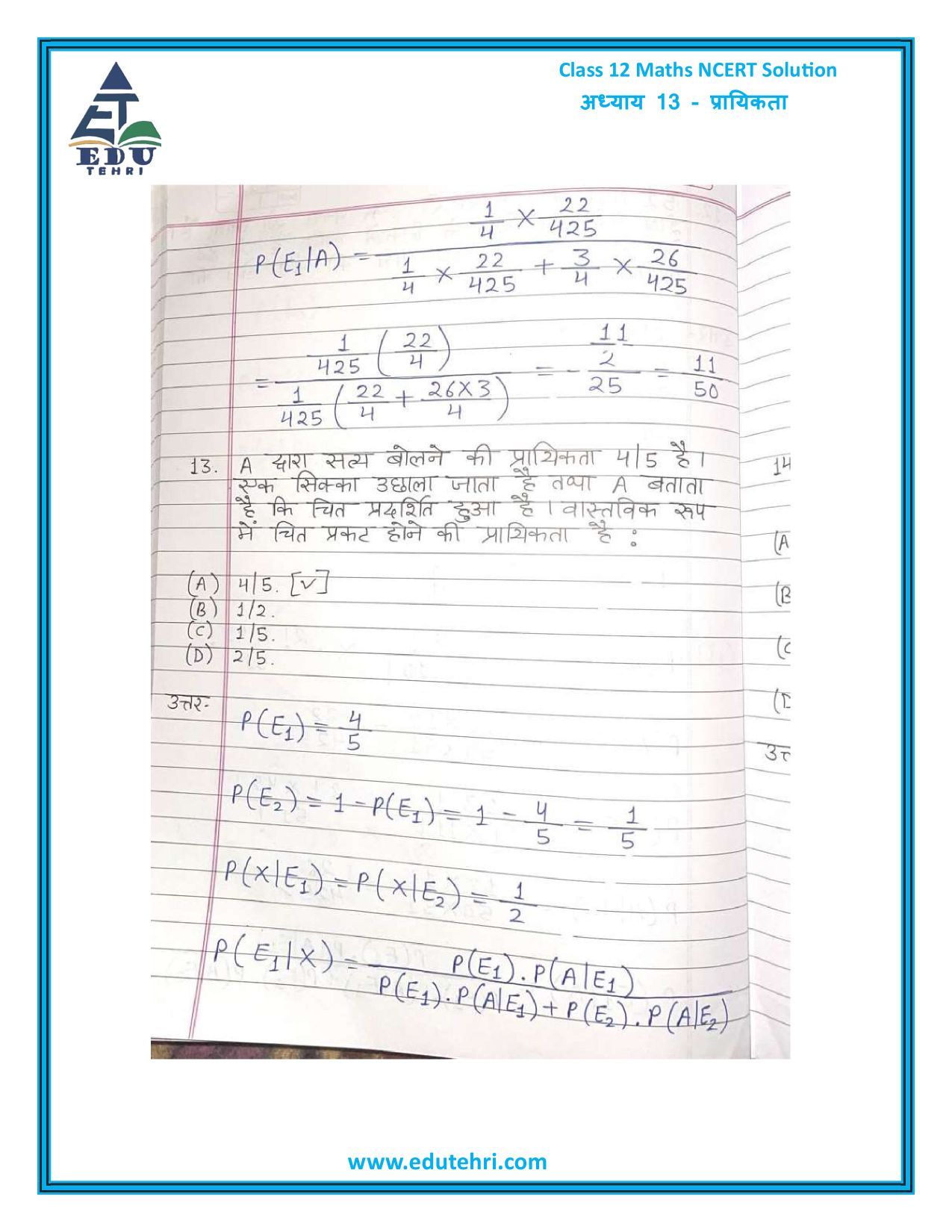
Bayes’ theorem calculates conditional probability in reverse:
P(A|B) = \frac{P(B|A) \cdot P(A)}{P(B)}
It is less frequent in boards, but appears in numerical problems.
Important Formulas – Chapter 13
Download Important Formula - Free PDF
1. Probability: P(E) = \frac{\text{Favorable outcomes}}{\text{Total outcomes}}
2. Complement: P(A’) = 1 - P(A)
3. Addition: P(A \cup B) = P(A) + P(B) - P(A \cap B)
4. Multiplication: P(A \cap B) = P(A) \cdot P(B|A)
5. Independent events: P(A \cap B) = P(A) \cdot P(B)
6. Conditional probability: P(A|B) = \frac{P(A \cap B)}{P(B)}
Exercises in Chapter 13
NCERT Chapter 13 contains 3 exercises.
Exercise Details:
• Exercise 13.1 – Basic probability problems
• Exercise 13.2 – Conditional probability
• Exercise 13.3 – Independent and dependent events
Important Points to Remember
• Probability always lies between 0 and 1
• Complement of an event helps in easier calculation
• Conditional probability depends on a given condition
• For two independent events: P(A \cap B) = P(A) \cdot P(B)
• Maximum probability = 1, minimum probability = 0
Edu Tehri – Free PDFs & Handwritten Notes
Edu Tehri provides complete Chapter 13 support, including:
• Free NCERT solution PDFs
• Handwritten notes
• Formula sheets
• Board-oriented practice questions
• Step-by-step solution methods
Key Features of Chapter 13
• Concept-based chapter
• Very scoring if formulas and methods are clear
• Includes practical examples
• Foundation for statistics and probability in higher classes
• Fixed pattern in boards
Frequently Asked Questions
Q1. Why is Probability important in Class 12 Maths?
Probability has high weightage in exams, connects maths with real-life situations, and develops logical thinking.
Q2. Is NCERT enough for Probability?
Yes, NCERT questions cover almost all board-level problems. Practice all exercises carefully.
Q3. Which type of problem is most important?
Conditional probability, independent events, and real-life word problems are most important.
Q4. How to score full marks?
• Practice NCERT exercises thoroughly
• Draw tree diagrams for conditional problems
• Learn formulas carefully
• Avoid calculation mistakes
Q5. Where can students get free solutions and notes?
Students can get free NCERT solutions, handwritten notes, and PDFs on Edu Tehri.
Classs- 12th Mathematics NCERT Solutions All Chapters - Hand Written Notes | Free download PDF's | 2026-2027